
Cart
0

AUVERA CRAFT
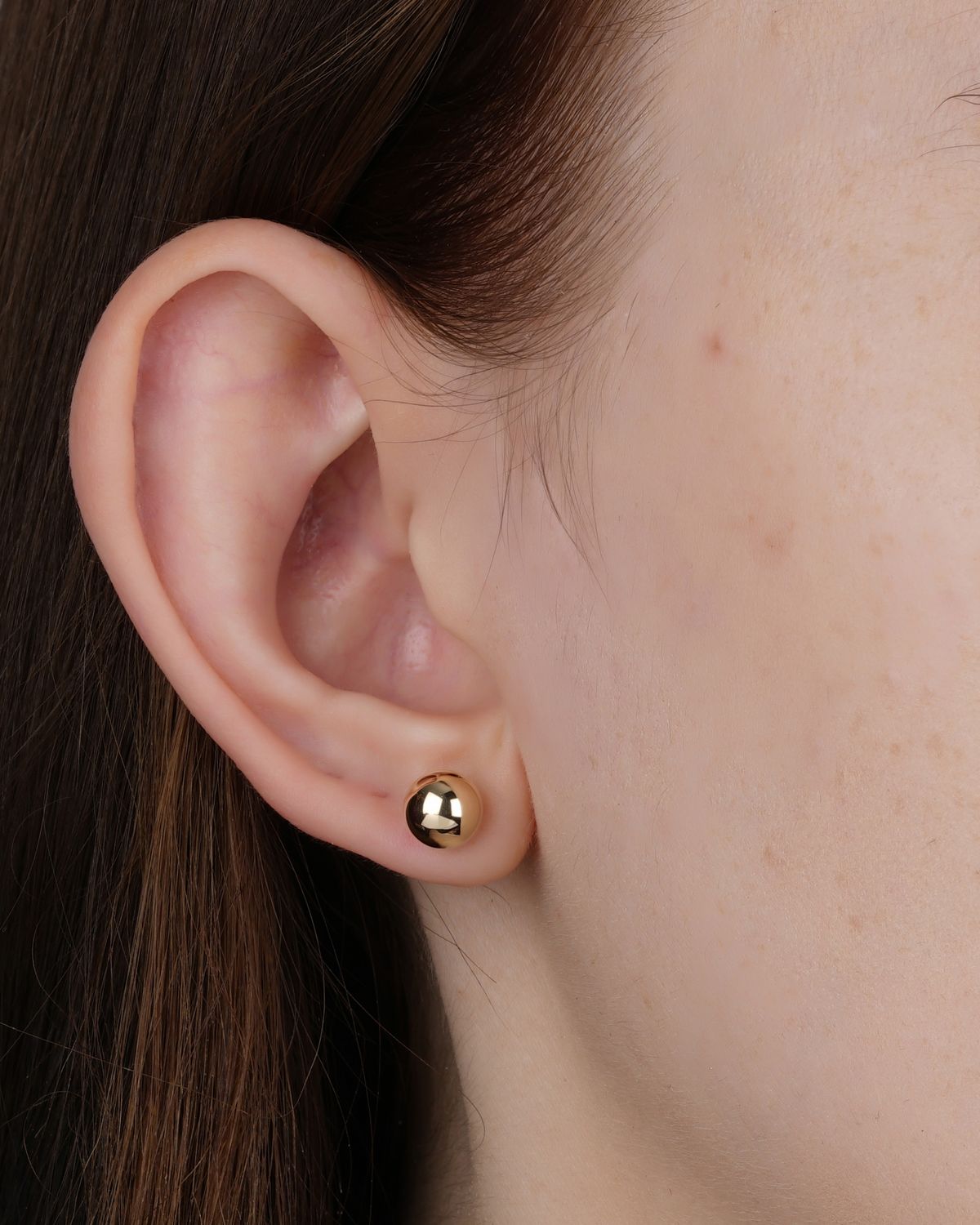
Why Do My Earrings Make My Ears Itch? The Ultimate 2026 Guide
Common causes, nickel allergy clues, safer metals, practical fixes, and how to make earrings more comfortable for everyday wear
Quick Summary
If your ears start itching after you put on earrings, the earring itself may not be the only thing to blame. The most common explanation is a reaction to a metal or material touching the skin, especially nickel, but irritation can also come from friction, moisture, soap, hair products, cleaning chemicals, or an earring that is simply too tight. A fresh piercing can have different issues altogether.
The frustrating part is that the same pair can feel perfectly fine one day and suddenly become uncomfortable later. Nickel allergy can develop after repeated exposure, and contact dermatitis can appear hours or even days after contact. The American Academy of Dermatology lists jewelry as a common source of contact dermatitis, while Mayo Clinic notes that nickel allergy is especially associated with earrings and other jewelry. AAD's nickel-allergy guidance and Mayo Clinic's overview of nickel allergy are useful references.
So, instead of assuming “my ears just don't like earrings,” it helps to look at the metal, the fit, your skin condition, and what happens when you stop wearing the pair. This guide walks through that process without turning every itchy earlobe into an allergy diagnosis.
Key Takeaways
• Nickel is one of the most common reasons earrings trigger an itchy rash.
• Itching can also come from friction, pressure, trapped moisture, soap, cosmetics, or other materials.
• A reaction may show up after hours or days, so the timing is not always immediate.
• Removing the suspected earrings and letting the skin settle is a sensible first step.
• Look for clearly stated metal content instead of relying only on vague labels such as “fashion” or “hypoallergenic.”
• Nickel-free jewelry, platinum, and suitable gold options can be better choices for people who react to nickel, but metal composition still matters.
• If the ear becomes hot, very swollen, painful, or produces pus, think beyond a simple jewelry reaction and seek medical advice.
Quick Answer:
Your earrings may make your ears itch because your skin is reacting to the metal, the finish, or the conditions around the piercing. Nickel allergy is a particularly common cause, but irritation from pressure, sweat, soap, perfume, hair products, or friction can look similar.
A useful first check is simple: stop wearing the earrings and see whether the itching and rash improve. If the same reaction returns when you wear that pair again, the jewelry becomes a strong suspect. The American Academy of Dermatology specifically recommends stopping contact with jewelry when a rash appears underneath it and observing whether the rash clears. See AAD's contact-dermatitis guidance.
That said, this is not a reliable way to diagnose a specific metal allergy. If reactions keep happening, a dermatologist or other qualified healthcare professional can help determine the cause. Patch testing may be used when allergic contact dermatitis is suspected.
Who Is This Guide For?
This guide is for anyone who loves earrings but keeps dealing with itchy, red, sore, flaky, or uncomfortable earlobes after wearing them. It is especially useful if you have noticed a pattern with certain pairs, recently switched jewelry, or are trying to choose earrings that feel better for long hours.
It is also for shoppers buying fine jewelry for themselves or someone else. Knowing what metal is actually used can make a much bigger difference than choosing an earring simply because the product page says “hypoallergenic.”
Introduction
There is a very specific kind of annoyance that jewelry lovers know well: you put on your favorite earrings, they look great, and then a few hours later your ears start itching.
At first, it is easy to ignore. You might blame the weather, shampoo, or the fact that you wore the earrings all day. Then the itching gets worse. The earlobe may look red. Sometimes it feels warm or slightly swollen. In other cases, the skin becomes dry, flaky, or develops tiny bumps.
It can be tempting to throw every pair of earrings into a drawer and decide that earrings simply do not work for you. Usually, the better approach is to figure out what changed.
Jewelry sits directly against skin for hours. That means a small amount of metal exposure, friction, moisture, or product buildup can become noticeable over time. And because several things can happen at once, the real cause is not always obvious.
The good news is that itchy ears do not automatically mean you have to give up on earrings. Once you understand the likely trigger, choosing the right material and wearing your jewelry differently can make the experience much more comfortable.
Why Do Earrings Make Your Ears Itch?
There are four broad possibilities worth considering: allergic contact dermatitis, simple irritation, moisture and product buildup, or a problem related to the piercing itself.
These can overlap. For example, a person with sensitive skin may tolerate an earring for several hours until sweat and shampoo residue collect around the post. Another person may react specifically to nickel in the post or backing.
1. Nickel allergy
Nickel is the classic culprit people hear about for a reason. Mayo Clinic says nickel allergy commonly causes an itchy rash where nickel contacts the skin and is usually associated with earrings and other jewelry. The American Academy of Dermatology also identifies nickel as one of the most common causes of allergic contact dermatitis. Mayo Clinic: Nickel allergy.
Typical clues include itching, redness, bumps, dryness, cracking, or sometimes blisters and drainage. The reaction may not happen the instant you put the earrings in. Mayo Clinic notes that an allergic reaction can begin within a couple of days after contact.
That delayed timing is one reason people sometimes blame the wrong pair of earrings. You may wear earrings on Monday, notice a rash on Tuesday, and assume something else caused it.
2. Irritation rather than allergy
Not every itchy ear is an allergy. Jewelry can irritate skin through friction, pressure, repeated movement, or trapped moisture. A post that is too tight can press against the earlobe. A heavy drop earring can pull on the piercing. A rough edge can rub the same small area repeatedly.
This type of irritation can be especially noticeable when you sleep in earrings, wear them during workouts, or keep them on while showering. Your skin is dealing with movement and moisture at the same time.
3. Soap, perfume, hair products, and buildup
Sometimes the earring gets blamed for a reaction caused by something else. Shampoo, conditioner, hairspray, fragrance, sunscreen, makeup, and skincare products can collect around the ear and behind an earring.
The American Academy of Dermatology notes that contact dermatitis can have many triggers, including fragrances and personal-care products. AAD's contact-dermatitis causes guide explains why identifying the actual trigger can take some detective work.
4. A piercing-related problem
If the piercing is new, recently stretched, injured, or repeatedly irritated, the situation deserves more care. A fresh piercing is not the same as an old, healed piercing that suddenly becomes itchy after wearing a particular pair.
Persistent pain, increasing swelling, warmth, or pus is a reason to speak with a healthcare professional rather than simply changing earrings and hoping it disappears.
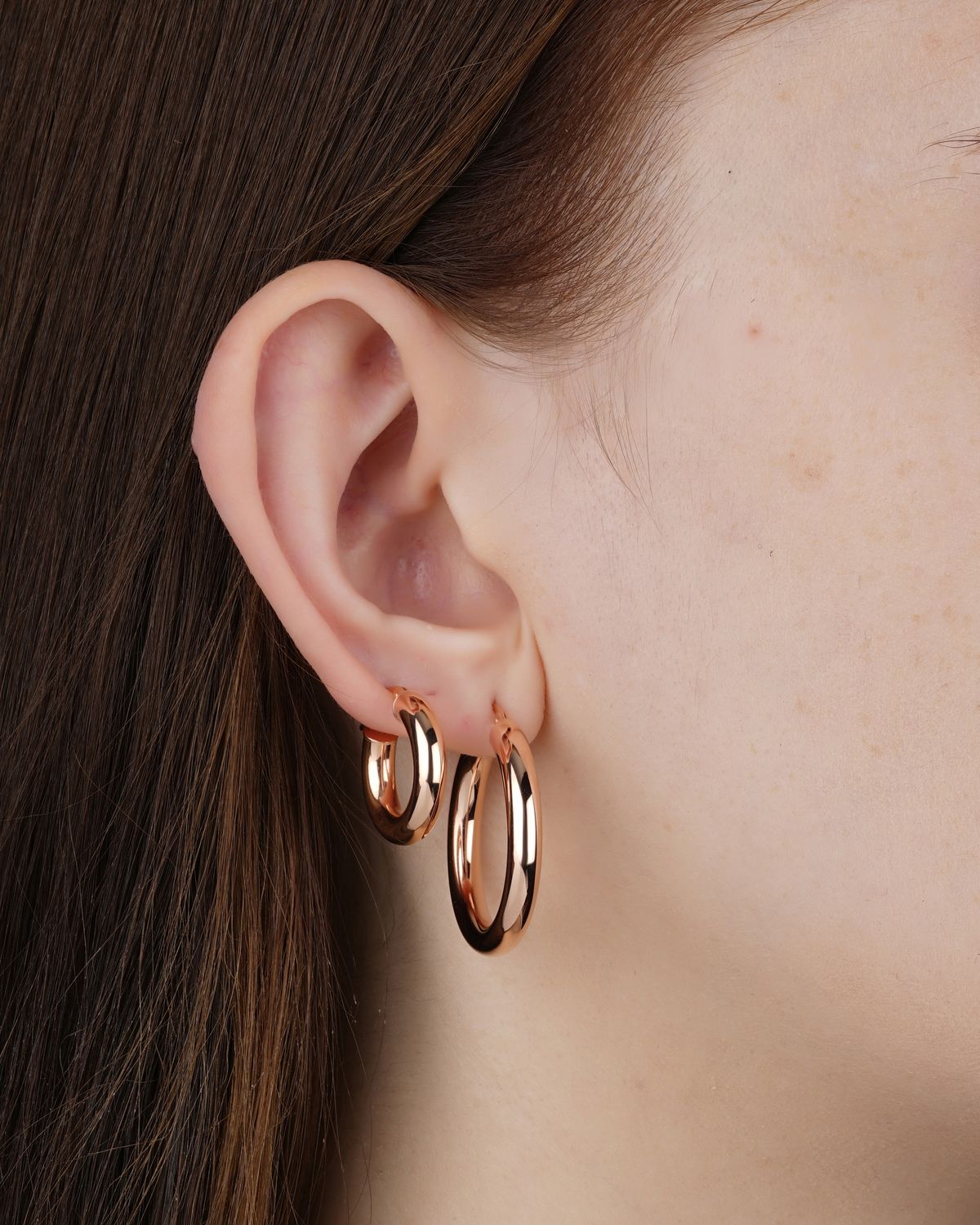
What Does a Nickel Reaction Look and Feel Like?
There is no single appearance that proves an earring contains nickel. Still, a pattern can be informative.
You might notice itching first, followed by redness or small bumps exactly where the metal touches the skin. With a stronger reaction, the skin may become dry, cracked, thickened, or blistered. Mayo Clinic lists itching, rash or bumps, skin-color changes, thickened or cracked skin, blisters, and draining fluid among possible symptoms of nickel allergy. Review the symptom list here.
One useful clue is location. If the irritation follows the outline of the earring post or backing, contact with the jewelry becomes more plausible. If the irritation is mainly behind the ear where hair products collect, another trigger may be involved.
Still, appearance alone cannot tell you exactly which metal is responsible. Different forms of contact dermatitis can look similar, which is why repeated or unexplained reactions are worth discussing with a professional.
Why Can Earrings Suddenly Start Causing Problems?
This question comes up constantly: “I've worn these earrings before. Why do they suddenly itch now?”
Allergic sensitivity can develop after repeated exposure. In other words, being able to wear a pair previously does not guarantee that your skin will tolerate the same exposure forever.
There can also be a simpler explanation. Maybe the earrings were worn longer than usual. Maybe you slept in them. Maybe you used a new hair product. Maybe the backing was tightened more than normal. Maybe sweat stayed trapped around the piercing during a hot day.
That is why it helps to look for a pattern instead of assuming the metal is automatically guilty.
Which Earring Metals Are Better for Sensitive Ears?
If you suspect a metal reaction, the goal is to reduce exposure to the material that triggers your skin. The American Academy of Dermatology recommends nickel-free jewelry and lists options such as surgical-grade stainless steel, titanium, platinum, and higher-karat yellow gold among materials that may be suitable for people with nickel allergy. AAD's jewelry recommendations.
| Material | What to check | Why shoppers consider it |
|---|---|---|
| Platinum | Confirm the product's metal composition | A popular precious-metal option for people looking to avoid nickel exposure. |
| Yellow gold | Check karat and alloy details | Higher-karat yellow gold is often considered by people who want to limit nickel exposure. |
| White gold | Ask whether the alloy contains nickel | White gold is not automatically nickel-free; composition matters. |
| Titanium | Look for clear material disclosure | Often chosen for sensitive skin and piercing jewelry. |
| “Hypoallergenic” jewelry | Ask what metal is actually used | The label alone does not tell you the complete alloy composition. |
For fine jewelry, transparency is important. The FTC's Jewelry Guides say marketers should truthfully represent material characteristics, including metallic content and other material aspects of jewelry. See the FTC Jewelry Guides.
Is White Gold Safe for Sensitive Ears?
It depends on the alloy.
“White gold” describes a gold alloy with a white appearance; it does not automatically mean nickel-free. If you already know that nickel triggers your skin, ask the jeweler what metals are alloyed with the gold rather than assuming all white gold is the same.
This is especially important if the earring post is a different metal from the decorative front. The part touching your skin is the part you need to understand.
If you want white-looking jewelry but are concerned about nickel, ask specifically for a documented nickel-free option or consider platinum or another material recommended for your situation.
Can Gold Earrings Still Make Your Ears Itch?
Yes. “Gold” by itself is not a complete description of the alloy.
Pure gold is very soft, so jewelry is normally made from gold mixed with other metals. A 14K or 18K piece therefore contains other metals as well. The FTC explains that a karat mark indicates the proportion of gold in the item. FTC consumer guidance on gold jewelry.
That does not mean 14K gold is bad or that 18K gold is automatically safe. It means the alloy matters. If your ears are reactive, ask for the exact metal composition and whether the posts and backs are made from the same material.

How to Stop Earrings From Making Your Ears Itch
If your ears are already irritated, the first priority is not finding a new pair immediately. Give the skin a chance to settle.
Step 1: Take the earrings out
Remove the suspected earrings and avoid repeatedly testing them while the skin is inflamed. If a piece is causing a reaction, continued exposure can keep the cycle going.
Step 2: Keep the area clean and dry
Gently clean the surrounding skin and dry it carefully. Avoid aggressive scrubbing. The goal is to remove residue without adding more friction.
Step 3: Think about what touched your ears
Make a quick list: new earrings, new shampoo, hairspray, perfume, skincare, cleaning products, sweat, sleeping in jewelry, tight backs, or a recent piercing change.
Step 4: Do not keep applying random products
It can be tempting to put several creams or household remedies on an itchy ear. That can make the detective work harder because you have introduced another possible irritant. If the rash persists, ask a healthcare professional what treatment is appropriate.
Step 5: Replace the suspect pair with a clearly specified material
Once your skin has settled, choose earrings where the material is clearly disclosed. If nickel is the suspected trigger, look for a genuinely nickel-free option rather than relying on appearance alone.
How to Make Earrings More Comfortable for Everyday Wear
Comfort is not only about the metal. A beautifully made earring can still be annoying if the fit does not suit your ear.
Watch the backing
An overly tight backing can press against the earlobe. You want the earring to stay secure without squeezing the skin.
Consider weight
Large, heavy earrings can create pulling and friction. For long days, smaller studs or lighter designs may be easier to wear.
Give your ears breaks
If you notice irritation after long wear, you do not need to prove that you can keep the earrings in for another twelve hours. Take them out when appropriate and let your skin breathe.
Keep earrings clean
Oil, sweat, cosmetics, and residue can build up on jewelry. Clean jewelry according to the material and manufacturer's care instructions. If the jewelry has delicate stones or finishes, avoid harsh DIY cleaning methods.
For broader jewelry-care guidance, GIA's diamond care and cleaning guidance is a useful reference for diamond jewelry.
“Hypoallergenic” Does Not Tell You Everything
This is one of the most important shopping lessons.
When a listing says “hypoallergenic,” many shoppers read that as “guaranteed not to cause a reaction.” It is safer to treat it as a marketing description and ask what the earring is actually made from.
Ask these questions before buying:
- What metal is used in the earring post?
- What metal is used in the backing?
- Does the alloy contain nickel?
- Is the decorative front made from a different metal than the post?
- If the earring is plated, what is underneath the plating?
- Can you provide the metal composition in writing?
The FTC's guidance emphasizes truthful representation of metallic content and other material characteristics, which is exactly why clear product information matters when you are shopping for jewelry. FTC guidance for jewelry advertising.
What About Gold-Plated Earrings?
Gold plating can look beautiful, but it is a surface layer rather than the entire earring being gold. The FTC explains that plating can wear away depending on how jewelry is worn and the thickness of the plating. FTC: Buying platinum, gold, and silver jewelry.
For someone sensitive to a base metal, that distinction can matter. If the plating becomes thin or damaged, the underlying metal may have more direct contact with the skin.
This does not mean plated jewelry will automatically cause itching. It means that if you repeatedly react to a plated piece, it is worth asking what material sits underneath the finish.
How to Tell If Your Earrings Are the Problem
Think like a detective for a week or two rather than changing five things at once.
- Stop wearing the suspected pair.
- Wait for the irritation to settle.
- Use one clearly specified alternative material.
- Keep other products around the ear consistent.
- Notice whether the same symptoms return.
If several different earrings cause the same reaction, the issue may be a material shared across them, a skincare or hair-product trigger, or a skin condition that deserves professional evaluation.
When Itchy Ears Need Medical Attention
Do not assume every red or itchy ear is simply a jewelry allergy. Seek medical advice if symptoms are severe, persistent, repeatedly returning, or difficult to explain.
Mayo Clinic recommends medical evaluation when you do not know what caused the rash or when symptoms are not improving with over-the-counter measures. If an area appears infected, signs can include swelling, warmth, pus, and pain. Trouble breathing is an emergency and requires urgent care. Mayo Clinic's warning signs and care guidance.
If a doctor suspects allergic contact dermatitis, patch testing may help identify the responsible allergen. Mayo Clinic describes patch testing as a way to expose the skin to small amounts of suspected allergens under controlled conditions. Learn about nickel-allergy diagnosis and treatment.
Common Mistakes People Make With Itchy Earrings
Mistake 1: Wearing the same earrings through the reaction
Itching is a signal worth listening to. Continuing exposure can make a skin reaction harder to settle.
Mistake 2: Assuming expensive means allergy-safe
Price does not tell you the complete alloy composition. Ask what touches the skin.
Mistake 3: Blaming nickel for every rash
Nickel is common, but irritation, fragrance, moisture, pressure, and other allergens can also be responsible.
Mistake 4: Focusing only on the decorative part
The front of the earring may be gold or another premium material while the post or backing is different. Always ask about the complete piece.
Mistake 5: Ignoring fit
A tight backing or heavy earring can create irritation even when the metal itself is not the problem.
What Earrings Are Best for Sensitive Ears?
There is no single perfect earring for every sensitive ear, but a practical starting point is a lightweight design with clearly disclosed materials and a post that does not squeeze the piercing.
If nickel is a known trigger, prioritize jewelry specifically described as nickel-free and consider materials recommended by dermatology sources, such as platinum, titanium, or suitable higher-karat yellow gold. The exact choice should match your known sensitivities and the advice of your healthcare professional.
For fine jewelry, the best choice is often the one that combines material transparency with a comfortable design. If you are shopping for diamond earrings, for example, you can explore Auvera Craft's fine jewelry collection and ask about the metal used in the part that contacts your skin.
Quick Decision Guide
| If this is happening... | Start with this approach |
|---|---|
| Itching starts after wearing one specific pair | Stop that pair and check its post, backing, plating, and alloy. |
| Several inexpensive pairs cause itching | Look for a shared metal, especially nickel, and consider professional evaluation. |
| Your ear hurts where a heavy earring pulls | Try a lighter design and avoid prolonged wear while irritated. |
| Itching appears after hair or skincare products | Keep those products away from the piercing and test one change at a time. |
| The ear is hot, swollen, painful, or producing pus | Seek medical advice rather than treating it as a simple jewelry reaction. |
Frequently Asked Questions
Why do my earrings make my ears itch but only sometimes?
The trigger may depend on exposure time, moisture, friction, the particular alloy, or another product touching the skin. Allergic contact dermatitis can also be delayed, so symptoms do not always appear immediately.
Is nickel the main reason earrings itch?
Nickel is a very common cause of allergic contact dermatitis from jewelry, and earrings are a particularly common source of exposure. But itching can also come from irritation, pressure, moisture, fragrances, or other materials.
Can I suddenly become allergic to earrings?
Yes, allergic sensitivity can develop after repeated exposure. Being able to wear a particular pair in the past does not guarantee that your skin will always tolerate it.
Are 14K gold earrings safe for sensitive ears?
It depends on the alloy. 14K gold contains other metals in addition to gold, so ask what those metals are and whether the earring is nickel-free if nickel is a concern.
Is 18K gold better for sensitive ears?
Higher-karat gold contains a higher proportion of gold, but the remaining alloy still matters. Do not treat the karat number alone as a guarantee that a piece cannot cause a reaction.
Are white gold earrings safe if I have a nickel allergy?
Not automatically. White gold can use different alloying metals, so ask whether the specific piece is nickel-free and confirm what is used in the post and backing.
Should I stop wearing earrings if my ears itch?
If you suspect the earrings are causing the reaction, removing them is a sensible first step. If the symptoms are severe, persistent, infected-looking, or repeatedly return, seek medical advice.
How long does an earring allergy take to go away?
There is no single timeline because it depends on the cause and severity. Avoiding the trigger is important, but persistent or worsening symptoms should be assessed by a healthcare professional.
Can earring backs cause itching even if the earrings are fine?
Yes. The backing may be made from a different metal, may press tightly against the skin, or may collect sweat and product residue. Check the backing as carefully as the earring itself.
What is the safest earring metal for sensitive ears?
There is no universal “safest” metal for every person. Dermatology sources commonly recommend nickel-free jewelry and materials such as titanium, platinum, and suitable higher-karat yellow gold for people with nickel allergy. Your own sensitivity and the exact alloy still matter.
Final Thoughts
If your earrings make your ears itch, you do not necessarily have to give up earrings. The smarter move is to slow down and identify the trigger.
Start with the basics: remove the suspected pair, let the skin settle, check the metal composition, and pay attention to fit and moisture. If the problem follows multiple pieces, becomes severe, or keeps returning, get professional advice instead of guessing.
For shoppers, the biggest lesson is simple: buy the material, not just the look. A beautiful earring that you cannot comfortably wear is not a great purchase. Clear metal information, a comfortable fit, and a design that suits your routine can make everyday jewelry much more enjoyable.
And if you are choosing fine jewelry, take the same approach to the rest of the piece. Ask questions, understand what touches your skin, and choose a design that fits your real life rather than one that only looks good for five minutes in a product photo.
Find Jewelry Made for Real Life
Explore Auvera Craft's fine jewelry and choose a design with thoughtful craftsmanship, clear details, and everyday comfort in mind.

