
Cart
0
AUVERA CRAFT
Handcrafted Fine Jewelry · Diamond Earring Care · 2026
Can You Sleep With Diamond Earrings On? The Ultimate 2026 Guide
A practical guide to comfort, skin health, earring security, and when it makes sense to take your diamond earrings out before bed
Quick Summary
If you are wondering whether you can sleep with diamond earrings on, the practical answer is sometimes, but taking them out before bed is usually the safer habit. The diamond itself is not the main concern. The bigger issues are the earring's setting, back, metal, profile, your sleeping position, and how your skin reacts to prolonged contact.
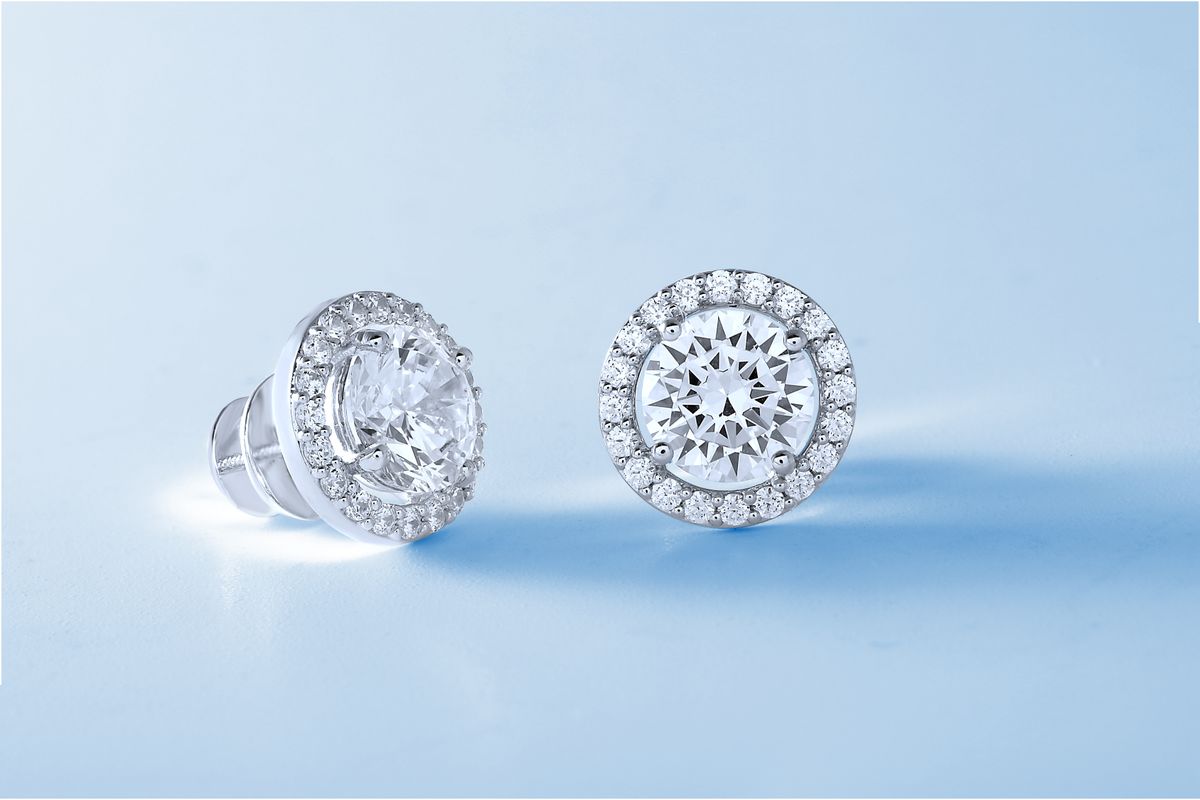
A small, low-profile diamond stud with a secure setting may feel fine overnight for some people. But sleeping puts repeated pressure and friction on the earring. A post can press into the skin, a backing can become uncomfortable, and a larger or protruding design can snag on bedding or hair. If the metal contains nickel and you are sensitive to it, prolonged contact can also contribute to an itchy rash. Mayo Clinic specifically notes that nickel allergy is commonly associated with earrings and other jewelry and usually causes an itchy rash where nickel contacts the skin. Mayo Clinic's nickel-allergy guidance is a useful medical reference.
So this is less about a simple yes-or-no rule and more about your particular earrings. A pair of tiny studs made for everyday wear is a very different situation from long drops, heavy hoops, halo studs with protruding edges, or earrings with a bulky back.
Key Takeaways
• You can physically sleep in diamond earrings, but it is not the best habit for every pair.
• The diamond is rarely the main problem; pressure, friction, snagging, and the metal are usually more relevant.
• Small, low-profile studs are generally easier to tolerate overnight than large or dangling earrings.
• Earrings with secure backs matter because loose jewelry can catch on bedding, hair, or clothing.
• Nickel-sensitive skin can react to earrings and earring backs, especially with prolonged contact.
• Removing earrings before sleeping makes cleaning the jewelry and cleaning the skin around the piercing easier.
• If an earring causes pain, swelling, redness, drainage, persistent itching, or repeated irritation, stop wearing it and consider professional medical advice.
• The safest choice depends on the earring design, metal, piercing, sleeping habits, and your own comfort.
Quick Answer:
Yes, you can sleep with some diamond earrings on, but removing them before bed is usually the better everyday habit. Tiny diamond studs with smooth edges and a secure, comfortable backing are less likely to cause problems than large, heavy, or protruding earrings. Even then, overnight pressure can irritate the piercing or make the back uncomfortable.
If you have sensitive skin, a history of metal reactions, a fresh piercing, or earrings that regularly hurt when you lie on your side, take them out before sleeping. If you already sleep in small studs and wake up with no pain, redness, swelling, or irritation, the risk may be lower—but that does not mean every earring is suitable for overnight wear.
Who Is This Guide For?
This guide is for anyone who has diamond earrings and has reached that familiar bedtime moment: Do I really need to take these out?
It is especially useful if you are:
- Wearing diamond stud earrings every day
- Considering sleeping in a new pair of diamond earrings
- Wondering whether small studs are safe overnight
- A side sleeper who feels pressure around the ear
- Dealing with itchy, sore, or irritated earlobes
- Unsure whether the metal in your earrings could be causing a reaction
- Looking for a simple care routine for everyday diamond jewelry
- Buying diamond earrings for someone who plans to wear them frequently
Introduction
There is a point where a piece of jewelry stops feeling like something you “put on” and starts feeling like something that is simply part of your day.
Diamond studs are a good example. You put them in with your outfit, forget about them while working, keep them on through dinner, and then—right before bed—you look in the mirror and wonder whether taking them out is actually necessary.
I get why people ask. Small studs can feel almost weightless, and diamonds themselves are famously durable. It is easy to make the jump from “this diamond is hard” to “this earring must be fine to sleep in.” But the stone is only one small part of the equation.
Your ear is soft tissue. The post, backing, metal, setting, and even the shape of the earring can matter more overnight than the diamond's hardness. When you turn your head into a pillow, you are putting pressure on a piece of jewelry that may not have been designed to sit under that pressure for eight hours.
That is why the most useful answer is not “never” and not “always.” It is about understanding what can actually happen and deciding whether your particular earrings are worth keeping on.
Is It Safe to Sleep With Diamond Earrings On?
For many people, sleeping in small diamond studs occasionally will not cause an obvious problem. But “nothing happened last night” is not the same as “this is the best long-term routine.”
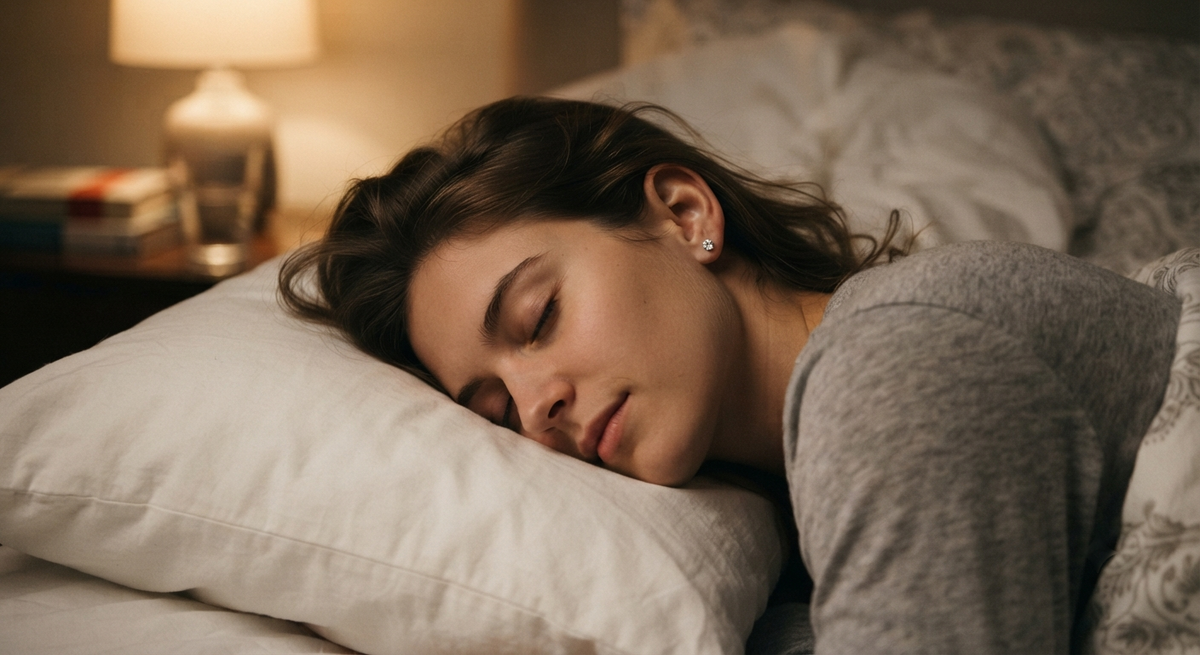
Overnight wear creates several small stresses at the same time. Your ear can be pressed against the pillow. The earring can move slightly as you change position. Hair can catch around the post or backing. Bedding can pull on the setting. Sweat and skincare products can remain around the piercing. None of these automatically means an injury will occur, but together they can make an uncomfortable earring much more noticeable.
The American Academy of Dermatology notes that earrings and earring backs are common sources of nickel exposure and recommends choosing nickel-free or suitable alternative materials for people with nickel allergy. The AAD's nickel-allergy guidance is particularly useful if your concern is itching or a recurring rash rather than mechanical discomfort.
For a healthy, fully healed piercing and a tiny, smooth stud, the situation may be relatively low-risk. For a large or uncomfortable earring, sleeping in it is simply unnecessary exposure to pressure and friction.
Why Sleeping in Earrings Can Become Uncomfortable
1. Pillow Pressure
This is the obvious one, especially if you sleep on your side. Your head may press the earring against the pillow for hours. A flat-front stud may distribute that pressure reasonably well, while a raised setting or bulky back can create a single uncomfortable pressure point.
You may not wake up because of it. Instead, you notice the result the next morning: a tender earlobe, slight redness, or an indentation where the backing has been pressing.
2. Friction During the Night
You rarely stay in one position for the entire night. Turning your head can move the earring against the pillowcase. Repeated small movements can be more irritating than one obvious bump.
This matters even more when the piercing is already sensitive. If your ear feels irritated after wearing earrings all day, giving it several additional hours of friction while you sleep may not be the best way to let it settle.
3. Hair and Bedding Can Catch on the Earring
Diamond studs are compact, but not all studs are equally smooth. Prongs, gallery structures, decorative edges, and earring backs can catch on hair or fabric.
A snag does not have to be dramatic to be annoying. A small pull repeated several times can make a piercing feel sore, and a stronger accidental tug can bend a post or damage a setting.
4. Moisture and Product Buildup
Skin naturally produces oils and moisture. Add hair products, moisturizer, sunscreen residue, makeup, or shampoo that was not fully rinsed away, and the area around an earring can become a place where residue collects.
Removing your earrings gives you a simple opportunity to clean the jewelry and gently clean the surrounding skin. That is one reason a take-them-out-at-night routine can be easier to manage than wearing the same earrings continuously.
Does Sleeping in Diamond Earrings Damage the Diamond?
Usually, the bigger concern is not scratching the diamond by lying on it. Diamond is extremely hard, but hardness does not mean that the entire finished earring is immune to damage.
The setting and metal still have to hold the stone securely. A hard knock or repeated stress can affect a prong, post, clasp, or other component. The stone itself can also be vulnerable to chipping from a sufficiently hard impact, depending on its shape and characteristics.
In other words, sleeping in earrings is more accurately a jewelry-construction and comfort question than a “will the diamond survive?” question.
If you notice that a stone moves, a prong feels sharp, a post looks bent, or the backing no longer fits securely, stop wearing the earring until it has been checked. The FTC's Jewelry Guides emphasize that jewelry descriptions should accurately represent important characteristics such as quality, durability, and serviceability. See the FTC Jewelry Guides.
What Type of Diamond Earrings Are Best for Sleeping?
If you are determined to keep earrings on overnight, design makes a big difference.
Small Diamond Studs
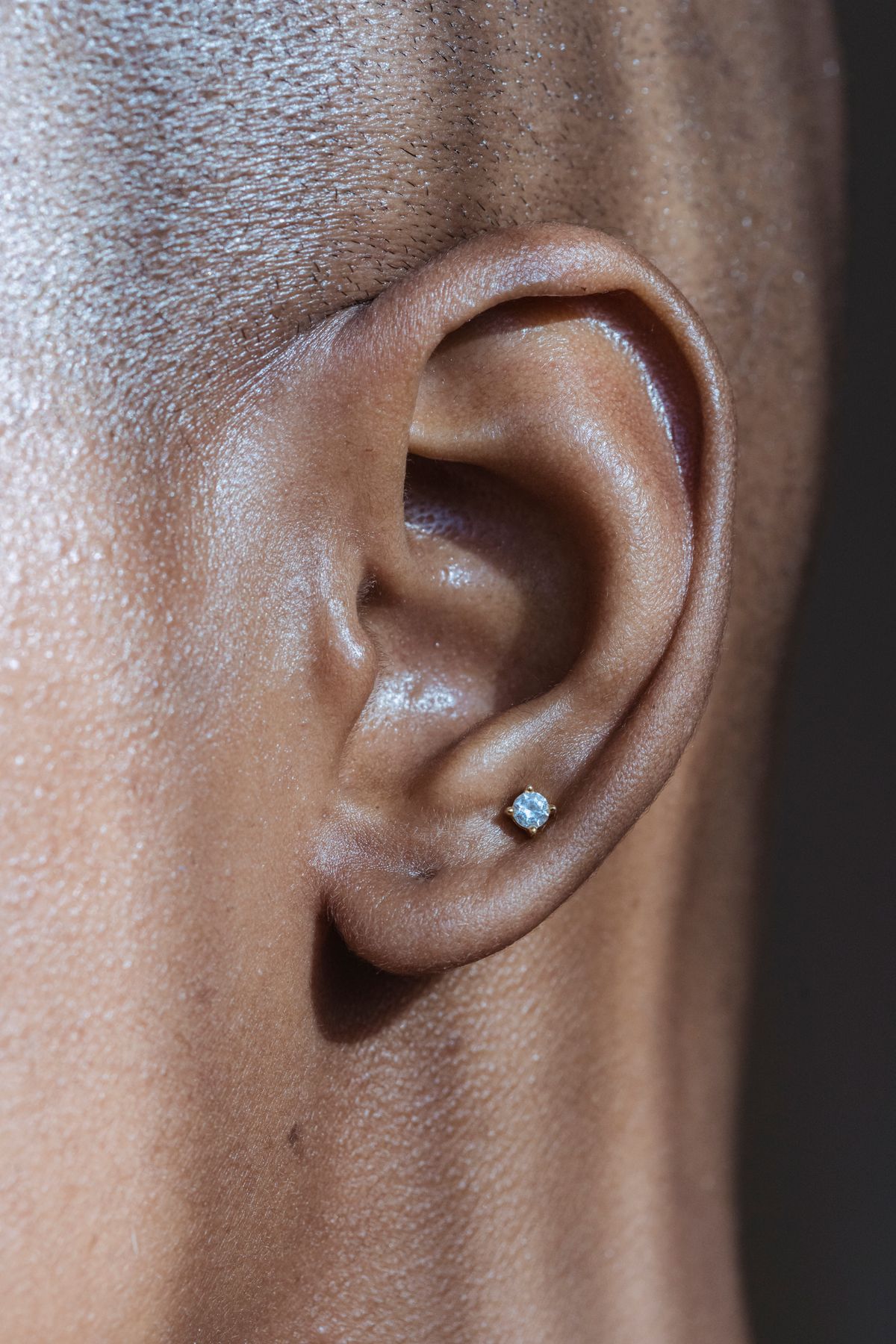
Small studs are usually the easiest type to live with because they sit relatively close to the ear. They are less likely to catch on bedding and usually create less leverage if you accidentally roll onto them.
That does not make every stud comfortable. A large basket, tall setting, or bulky back can still create pressure. Look at the entire earring, not just the face of the diamond.
Low-Profile Settings
A low-profile design keeps the center of the earring closer to the ear. That can reduce snagging and make the piece less noticeable when you lie down.
For everyday earrings, this is one of those details you appreciate much more after wearing the jewelry for several hours than you do from a product photo.
Secure Backs
A backing should feel secure without squeezing your earlobe. If it constantly feels loose, you have a higher chance of losing the earring. If it is painfully tight, the pressure can become a source of irritation.
If you frequently lose backs or find that your earrings rotate during sleep, taking them out at night is the simplest solution.
Flat-Back Styles
Some earrings are designed with a flatter back specifically to reduce bulk behind the ear. Depending on the design and piercing, this can be more comfortable for people who sleep on their sides.
However, “flat-back” is not a guarantee of comfort. The front setting, post length, metal, and fit still matter.
What Earrings Should You Avoid Sleeping In?
Some earrings are simply poor candidates for overnight wear.
- Large hoops: they can catch on bedding or hair and may be pulled when you turn.
- Long drop earrings: the extra length gives the earring more opportunity to move, snag, or press against the pillow.
- Heavy earrings: constant downward pressure can make the piercing feel stretched or sore.
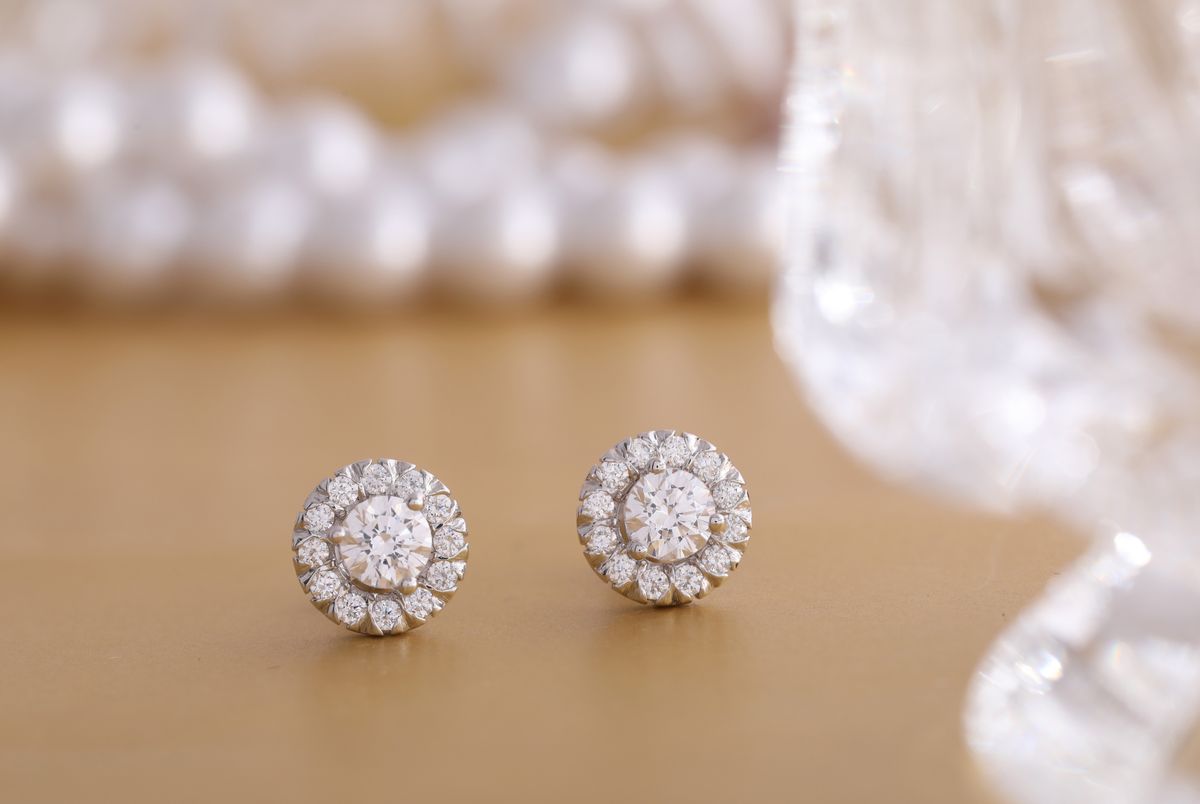
- Sharp or protruding designs: decorative edges and raised settings can create pressure points.
- Loose earrings: if the back or post is already unreliable, sleeping in them increases the chance of losing them.
- New or irritated piercings: jewelry choices should follow the advice of your piercer or healthcare professional rather than a general sleeping rule.
Can Diamond Earrings Cause Itchy Ears While You Sleep?
They can, but the cause may have nothing to do with the diamond itself.
Nickel is a common trigger of allergic contact dermatitis, and earrings are a frequent source of exposure. Mayo Clinic says nickel allergy usually produces an itchy rash where nickel touches the skin and is commonly associated with earrings and other jewelry. Read Mayo Clinic's symptoms and causes guide.
The American Academy of Dermatology also explains that jewelry can trigger contact dermatitis and recommends stopping use of a suspected item to see whether the rash improves. AAD's guide to itchy rashes and contact dermatitis provides practical clues.
Overnight wear can make the situation more noticeable because the earring remains in contact with your skin for many uninterrupted hours. If your ears become itchy every time you wear a particular pair, do not assume you simply need to “get used to it.” The metal, coating, or another material may be the issue.
What Metals Are Better for Sensitive Ears?
If your ears react to earrings, focus on the material rather than the diamond.
The AAD recommends nickel-free jewelry and lists materials such as surgical-grade stainless steel, titanium, 18-, 22-, or 24-karat yellow gold, nickel-free white gold, sterling silver, and platinum among options for people with nickel allergy. AAD's recommendations for avoiding nickel exposure are a useful starting point.
Gold jewelry also comes in different karat levels and alloy compositions. The FTC explains that 18K gold is 18 parts pure gold mixed with six parts another metal, while 14K gold is 14 parts gold mixed with 10 parts other metal. The FTC's consumer guide to gold, platinum, and silver jewelry explains how karat marks work.
That means “gold” by itself does not tell you everything you need to know about an earring's metal composition. If you have a known allergy, ask specifically what alloy is used and whether the earring is nickel-free rather than relying on a broad marketing label.
Is It Better to Take Diamond Earrings Out Every Night?
For most people, yes. Removing them at night is a simple habit with very little downside.
You reduce pressure from your pillow. You reduce the chance of snagging. You give the skin around the piercing a break. You can clean the earrings. And you are less likely to wake up because a backing has been pressing into your ear.
There is also a practical benefit that people sometimes overlook: you get a daily opportunity to inspect the earrings. A loose stone, bent post, damaged prong, or missing back is much easier to catch when you handle the jewelry regularly.
The one exception is when someone has a healing piercing and has been specifically instructed to keep appropriate jewelry in place. In that situation, follow your professional piercer or healthcare provider's instructions rather than taking the jewelry out simply because it is bedtime.
What About Sleeping in Diamond Studs Every Night?
If you have worn small studs for years without irritation, you may feel that sleeping in them is completely normal. And for some people, it may remain uneventful.
The question is whether the benefit is worth the trade-off. You are saving a few seconds by leaving them in, while accepting overnight pressure and a small possibility of snagging or irritation. For a pair you particularly value, removing them is an easy way to reduce unnecessary wear.
There is no need to become anxious about one night of sleeping in earrings. If you accidentally fall asleep wearing them, simply check your ears and the earrings in the morning. The sensible response is not panic; it is routine care.
How Sleeping Position Changes the Answer
Side Sleepers
Side sleepers have the strongest reason to think about removing earrings. The ear can sit directly against the pillow for a long period, putting pressure on the post and backing.
If you always sleep on one side, you may notice that one ear becomes sore while the other is perfectly comfortable. That is a useful clue: the problem may be mechanical pressure rather than the diamond or metal.
Back Sleepers
Back sleepers may experience less direct pressure on the earring, especially with small studs. Even so, hair, bedding, and the backing can still create friction.
Restless Sleepers
If you move a lot during sleep, a secure stud is more important. The more your head and hair move across the pillow, the more opportunities there are for an earring to catch.
How to Clean Diamond Earrings Before Wearing Them Again
A simple routine is usually better than an aggressive one.
For routine care, follow the care instructions supplied for your specific jewelry. Gently remove visible residue and avoid harsh chemicals or rough tools that could damage the metal, setting, or finish. If the piece contains treatments, delicate components, or a design that is difficult to clean, ask the jeweler about the safest method.
It is also useful to keep the earring back clean. The back sits close to the skin and can collect oils, product residue, and debris. If the backing itself becomes rough, discolored, or difficult to secure, replacing it may be more sensible than continuing to wear it.
Do not confuse “cleaning the diamond” with “fixing an irritated piercing.” If your skin is red, painful, swollen, or persistently itchy, jewelry cleaning alone may not solve the underlying problem.
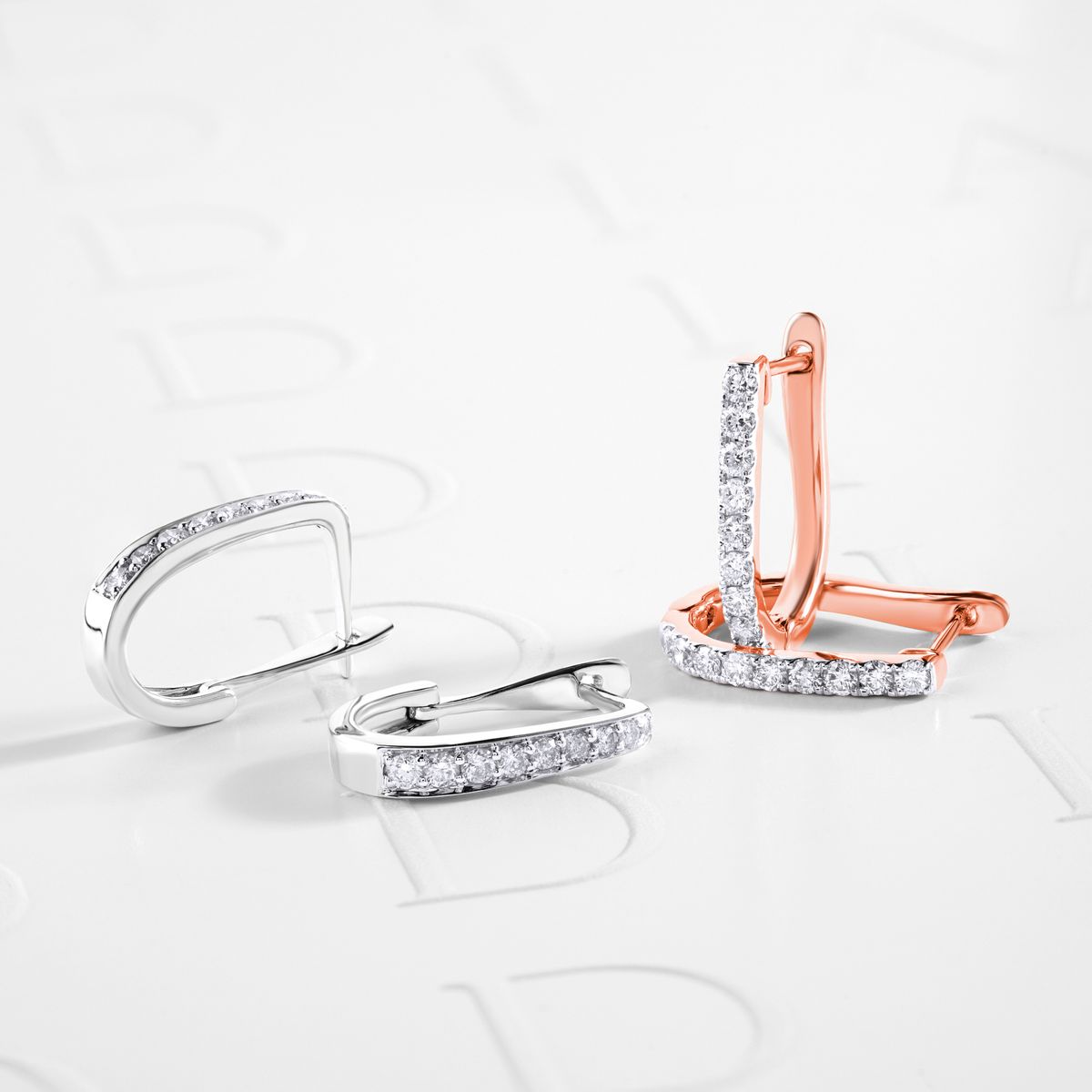
Diamond Earring Sleepability: A Practical Comparison
| Earring type | Overnight comfort | Main concern | Practical choice |
|---|---|---|---|
| Small low-profile diamond studs | Usually better | Pillow pressure and backing comfort | Can be tolerated by some people, but removal is still simpler |
| Large diamond studs | Variable | Pressure and snagging | Better to remove |
| Diamond hoops | Usually poor | Hair and bedding catching | Remove before sleep |
| Long drop earrings | Poor | Movement, pulling, pressure | Remove before sleep |
| Heavy earrings | Poor | Weight and piercing strain | Remove before sleep |
| Flat-back studs | Potentially comfortable | Fit and skin irritation | Depends on the individual fit |
How to Tell if Your Diamond Earrings Are Not Comfortable Enough for Sleep
Your body usually gives you the answer before the jewelry does.
- Your earlobe feels sore when you wake up.
- You see a red mark where the backing sits.
- The piercing feels hot, itchy, or irritated after overnight wear.
- You regularly wake up because the earring presses into the pillow.
- Your hair keeps catching around the earring.
- The backing feels too tight or leaves an indentation.
- The earring rotates or shifts significantly while you sleep.
- You notice the post or setting looks bent or damaged.
If any of these happen repeatedly, there is little reason to force the habit. Jewelry is supposed to be wearable. If removing it at night solves the discomfort, that is useful information.
When Itchy or Sore Ears Need More Attention
Not every irritated ear is an allergy, and not every rash is caused by an earring. But repeated symptoms deserve attention.
The AAD notes that contact dermatitis can appear as an itchy or painful rash under jewelry and recommends stopping use of the suspected item. If the rash clears and returns when the jewelry is worn again, an allergy becomes a stronger possibility. AAD's contact-dermatitis guidance explains this pattern.
Mayo Clinic also notes that nickel reactions can include itching, rash, bumps, skin changes, and sometimes blisters or drainage. If a rash is severe, persistent, spreading, or showing signs of infection, medical advice is appropriate. Mayo Clinic's diagnosis and treatment guidance covers evaluation and patch testing.
This article is general jewelry-care information, not a diagnosis. If your ear is painful or repeatedly reacting, a dermatologist or other qualified healthcare professional can help identify the cause.
What About New Piercings?
A new piercing is a different situation from a fully healed piercing. The tissue is still healing, so jewelry choices and removal instructions can affect the outcome.
Do not use a general blog rule to decide when to remove jewelry from a fresh piercing. Follow the aftercare instructions from your professional piercer or healthcare provider. If you develop unusual swelling, worsening pain, pus, significant redness, fever, or other concerning symptoms, seek appropriate medical care.
Once the piercing is healed, you can make a more ordinary decision based on comfort, jewelry design, metal, and your sleeping habits.
Common Mistakes People Make With Diamond Earrings at Night
Mistake 1: Assuming Diamond Means Indestructible
The diamond is hard, but the complete earring is a mechanical object. Posts, backs, prongs, bezels, soldered joints, and other components still need care.
Mistake 2: Ignoring the Back of the Earring
People often judge comfort from the front. At night, the back may be the part causing the problem. A bulky or overly tight backing can be much more noticeable against a pillow.
Mistake 3: Blaming the Diamond for an Itchy Ear
If your ear itches, investigate the metal and other contact materials. Nickel allergy is a well-known cause of jewelry-related contact dermatitis.
Mistake 4: Keeping Every Earring on Because It Is “Everyday Jewelry”
Everyday jewelry does not have to mean 24-hour jewelry. A piece can be perfect for work, errands, dinner, and events while still being better stored safely at night.
Mistake 5: Waiting Until an Earring Is Damaged
A loose stone or bent post is a reason to stop and inspect the piece. You do not need to wait for a complete failure before getting jewelry checked.
A Simple Nighttime Routine for Diamond Earrings
If you want the easiest routine possible, keep it boring. Boring is good for jewelry care.
Step 1: Remove your earrings before getting into bed.
Step 2: Quickly inspect the post, setting, and backing.
Step 3: If needed, gently clean the earrings according to the jewelry maker's care instructions.
Step 4: Store the pair somewhere dry and secure rather than loose on a nightstand.
Step 5: In the morning, put them back on after your skincare and hair routine if that helps keep products away from the jewelry.
This routine takes less time than searching for a missing earring under the bed.
Questions to Ask Before Buying Diamond Earrings for Everyday Wear
If you are shopping for a pair specifically because you want to wear them frequently, ask about the complete construction rather than only the diamond.
- What metal is used for the post and backing?
- Is the metal nickel-free if I have sensitive skin?
- What type of backing is included?
- How high does the diamond sit from the ear?
- Is the setting designed for everyday wear?
- Are replacement backs available?
- What care does the jeweler recommend?
- What should I do if the setting becomes loose?
- Is the diamond lab-grown or natural, and how is that information disclosed?
The FTC's jewelry guidance is a useful reference for understanding why accurate descriptions of jewelry materials and characteristics matter. FTC guidance on advertising diamonds and jewelry explains the importance of truthful product descriptions and material disclosures.
Should You Sleep With Diamond Earrings On? A Simple Decision Guide
Use this quick checklist:
If the earrings are tiny, low-profile, secure, comfortable, and your ears never react: occasional overnight wear may not cause an obvious issue, but removing them remains the lower-maintenance choice.
If you are a side sleeper and the earrings press into your pillow: remove them.
If your ears itch or become red after wearing them: remove them and investigate the metal or another source of contact irritation.
If the earrings are heavy, long, sharp, or easy to snag: remove them.
If the piercing is new or healing: follow your piercer or healthcare provider's instructions.
If a stone, prong, post, or backing looks damaged: stop wearing the earring until it has been inspected.
Frequently Asked Questions
Can you sleep with diamond earrings on?
Yes, some people can sleep in small diamond studs without immediate problems, but removing earrings before bed is generally the more comfortable and lower-risk habit. Pressure, friction, snagging, and metal sensitivity are the main concerns.
Is it bad to sleep in diamond studs every night?
It is not automatically harmful for everyone, especially with small comfortable studs, but nightly wear can increase pressure and irritation. If your ears become sore, itchy, red, or uncomfortable, remove the earrings at night.
Can sleeping in earrings cause an ear infection?
Sleeping in earrings does not automatically cause an infection. However, irritation, poor hygiene, trauma, or an unsuitable piercing can contribute to problems. If you have worsening pain, swelling, warmth, pus, or other signs of infection, seek medical advice.
Can diamond earrings make your ears itch?
Yes. The diamond itself is not usually the first thing to suspect. The metal, plating, backing, or another material can cause contact irritation. Nickel is a common jewelry allergen.
Are diamond studs safe to wear every day?
Small, well-made diamond studs can be suitable for everyday wear when the setting, metal, backing, and fit are appropriate. Everyday wear still does not require wearing them while sleeping.
What type of earrings are best for sleeping?
If someone chooses to sleep in earrings, small, smooth, low-profile designs are generally less cumbersome than large hoops, drops, or heavy earrings. Comfort and fit matter more than the diamond's carat weight.
Should I take diamond earrings out before showering?
For routine jewelry care, many people prefer removing earrings before showering because soap, shampoo, and other products can leave residue. Follow the specific care instructions for your jewelry and setting.
Can sleeping on diamond earrings loosen the setting?
Repeated pressure and everyday knocks can contribute to wear in jewelry components over time. If you notice movement, a loose stone, or a damaged prong, have the earring inspected instead of continuing to wear it.
What metal is best for sensitive ears?
For people with nickel allergy, the AAD recommends nickel-free jewelry and lists materials such as titanium, suitable surgical-grade stainless steel, nickel-free white gold, certain yellow gold, sterling silver, and platinum. The exact alloy matters, so ask for the metal composition rather than relying only on the word “gold.”
Can I sleep in diamond earrings after a new piercing?
Do not use a general rule for a new piercing. Follow the aftercare and jewelry instructions provided by your professional piercer or healthcare provider. Healing tissue needs different care from a fully healed piercing.
What should I do if my ears hurt after sleeping in earrings?
Remove the earrings and give the area a chance to settle. If pain, redness, swelling, drainage, or irritation persists or returns repeatedly, seek advice from a qualified healthcare professional.
Final Thoughts
So, can you sleep with diamond earrings on?
Yes, you can—but you usually do not need to.
That is the simple answer I would give someone who wants to enjoy diamond earrings without turning jewelry care into a complicated routine. Small studs are very different from heavy hoops or long drops, and a comfortable, low-profile earring is obviously easier to tolerate overnight than one that presses into your pillow.
The bigger lesson is to stop thinking only about the diamond. The setting, post, backing, metal, fit, and your own skin all matter. If you sleep on your side, the physical design becomes even more important. If your ears itch, look at the metal and other contact materials instead of assuming the stone is the problem.
And if you are choosing a new pair specifically for frequent wear, think about comfort before you buy. A beautiful diamond earring that you can comfortably wear for work, dinner, travel, and everyday life is more useful than a pair that looks perfect in a product photo but annoys you after an hour.
For most people, the easiest habit is simple: wear your diamond earrings during the day, take them out at night, inspect them occasionally, and store them safely. It takes only a moment and removes a lot of unnecessary pressure, friction, and snagging from the equation.
If you are shopping for diamond earrings, you can also explore Auvera Craft's handcrafted fine jewelry collection and compare designs with your preferred style, metal, and everyday-wear needs in mind.
Want diamond jewelry that feels as good to wear as it looks? Start with the right setting, metal, proportions, and everyday comfort—not just the size of the diamond.
|
Find Diamond Jewelry Made for Your Style
Explore Auvera Craft's handcrafted fine jewelry and compare diamond earrings, rings, settings, and metals with everyday wear in mind.
SHOP DIAMOND JEWELRY →
|
© 2026 Auvera Craft · Handcrafted Fine Jewelry · USA

