
Cart
0
|
AUVERA CRAFT Handcrafted Fine Jewelry · Engagement Ring Guide · 2026 |
Is White Gold or Yellow Gold Better for an Engagement Ring? The Ultimate 2026 Guide
A Practical Guide to Style, Durability, Diamond Color, Maintenance, and Everyday Wear
Quick Summary
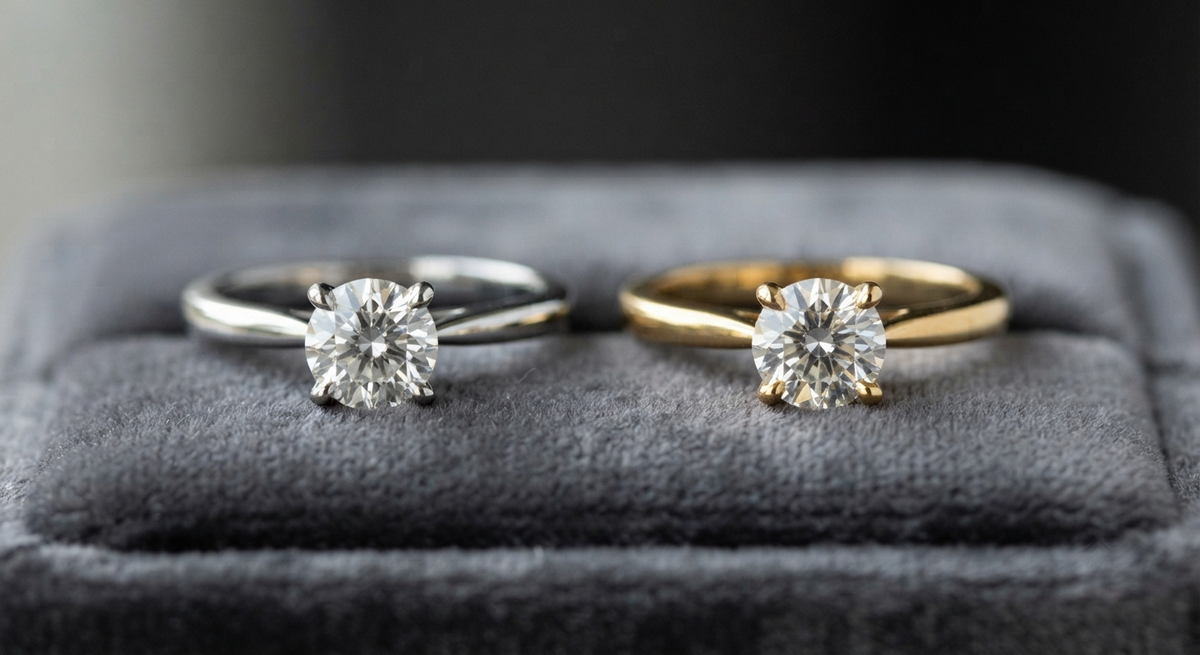
There is no universal winner between white gold and yellow gold for an engagement ring. White gold gives a crisp, cool look that pairs naturally with modern settings and can create strong contrast with a bright diamond. Yellow gold brings a warmer, more traditional appearance and can make the ring feel especially rich, personal, and timeless.
The practical difference is not simply color. White gold is an alloy and is commonly finished with rhodium, so its bright white surface can require replating as the coating wears. Yellow gold normally keeps its characteristic warm color without that rhodium finish. GIA also notes that both 14K and 18K gold are popular choices for engagement rings, while the alloying metals influence color and properties. GIA's gold engagement-ring guide is a useful reference when comparing the two.
Key Takeaways
• White gold is usually the better fit if you want a cool, bright, contemporary look.
• Yellow gold is a strong choice if you prefer warmth, classic styling, and a metal color that remains visibly golden.
• White gold is commonly rhodium plated, so occasional replating may be part of long-term ownership.
• Yellow and white gold can both work well for everyday engagement rings when the ring is properly made and cared for.
• Diamond color matters: white metal can create contrast, while yellow gold can visually warm the overall ring.
• If nickel sensitivity is a concern, ask exactly which alloy is used in white gold; palladium-alloyed or nickel-free options may be preferable.
• The best choice is the metal that fits your style, existing jewelry, maintenance preference, and the way you actually plan to wear the ring.
Quick Answer:
White gold is not automatically better than yellow gold, and yellow gold is not automatically more durable or more valuable. For an engagement ring, the better metal is the one that matches your preferred look and your tolerance for maintenance. White gold is especially appealing if you want a bright white-metal appearance and strong contrast around a diamond. Yellow gold is often the more natural choice if you love warm color, vintage-inspired styling, or want a ring that looks distinctly golden rather than white.
For 2026 shoppers, the decision should also include karat, alloy composition, diamond color, setting style, skin sensitivity, and how much upkeep you want. FTC consumer guidance explains that 14K gold contains 14 parts gold out of 24, while 18K contains 18 parts gold out of 24; pure 24K gold is generally too soft for most jewelry applications, so gold is alloyed with other metals for jewelry use. FTC's consumer guide to gold jewelry explains the markings and purity basics.
Who Is This Guide For?
This guide is for anyone comparing white gold and yellow gold before buying an engagement ring. It is especially useful if you have already chosen a diamond shape but are stuck on the metal, or if two rings look almost identical except for the color of the gold.
It is also for couples who care about long-term wear rather than only the first impression in a jewelry photograph. Your ring will sit against your skin, interact with your wardrobe, collect everyday residue, and possibly be worn beside a wedding band for decades. A metal that looks perfect in a product photo is not automatically the metal you will enjoy living with.
Introduction
Choosing the diamond gets most of the attention, but the metal can quietly change the entire personality of an engagement ring. The same diamond can look crisp and contemporary in white gold, then feel warmer and more traditional when set in yellow gold.
That is why the question “Which is better?” can be a little misleading. You are not really choosing between a good metal and a bad one. You are choosing between two different visual languages, with some practical differences in maintenance and alloy composition.
GIA describes white, yellow, and rose gold as alloyed forms of gold, meaning pure gold is mixed with other metals to change its properties and color. White gold is commonly made with white metals such as nickel or palladium and is often rhodium plated for a bright white finish. Yellow gold uses alloying metals that preserve its warm golden appearance. GIA's white-metal guide provides additional background on white gold construction and durability.
✦ CHOOSE THE METAL THAT FITS YOUR REAL LIFE
White Gold vs. Yellow Gold: What Is Actually Different?
Both are gold alloys, but they are designed to create different appearances. The gold itself is naturally yellow. The difference comes from which other metals are mixed into the alloy and, in the case of white gold, the surface finish that is often added afterward.
White Gold
White gold is made by alloying gold with white metals. Depending on the alloy, those metals can include nickel or palladium along with other metals such as copper or zinc. GIA notes that 14K and 18K white gold are popular engagement-ring choices.
Many white-gold rings are finished with rhodium, a bright white metal that gives the surface its very crisp appearance. That finish is one reason a new white-gold ring can look almost mirror-bright. It is also the reason white gold has a maintenance consideration that yellow gold normally does not: rhodium can wear away and may need to be renewed over time.
Yellow Gold
Yellow gold keeps the warm color people traditionally associate with gold. It is still an alloy in most engagement-ring applications, because pure gold is too soft for many practical jewelry designs. Copper, silver, and zinc are among the metals that may be used in yellow-gold alloys.
The result is a metal that feels warmer visually and often works beautifully with classic solitaires, vintage-inspired settings, engraved details, and designs where the gold itself is meant to be part of the visual statement.
Which Looks Better With a Diamond?
This is where personal taste matters most. There is no metal color that makes every diamond look better. Instead, the metal changes the contrast around the stone and can influence how you perceive the ring as a whole.
White Gold and Diamond Color
White gold creates a cool, neutral background around a diamond. That can make a well-cut diamond feel particularly bright and crisp, especially when the ring has a modern solitaire or halo design. GIA's gold engagement-ring guidance notes that white gold can create contrast with diamonds across a broad range of color grades.
If your goal is a very white, icy appearance from the entire ring, white gold is the straightforward visual choice. It also pairs naturally with other white metals, so it can be useful if your existing wedding band, watch, or everyday jewelry is mostly silver-toned.
Yellow Gold and Diamond Color
Yellow gold creates a warmer frame around the diamond. That can be especially attractive if you like a little contrast between the stone and the setting. A diamond that is not at the very top of the color scale may also feel intentional rather than out of place when the surrounding metal is warm.
This does not mean yellow gold makes a diamond “look lower quality.” It simply creates a different visual relationship. The diamond remains the diamond; the metal changes the background your eye sees around it.
Is White Gold More Durable Than Yellow Gold?
Not simply because it is white. Durability depends on the karat, alloy composition, ring construction, thickness, setting, and how the ring is used. Both white and yellow gold can be excellent choices for everyday engagement rings.
A 14K gold alloy contains more alloying metal than 18K gold, while 18K contains more pure gold. The alloy affects the balance of color, hardness, and gold content. That means “white vs. yellow” is only one part of the durability conversation.
The setting itself may matter just as much. A beautifully made 14K yellow-gold ring with a secure setting can be a more practical everyday ring for one person than a delicate 18K white-gold design. Look at the whole ring rather than assuming the color tells you everything.
14K vs. 18K: Does Karat Change the Decision?
Yes. If you are choosing between white and yellow gold, decide on karat as well. The FTC explains that 14K means 14 parts pure gold out of 24, while 18K means 18 parts pure gold out of 24. The remaining portions are other metals in the alloy.
14K Gold for Engagement Rings
14K gold is a common practical choice for jewelry that sees regular wear. It contains 58.3% pure gold by calculation, with the balance made up of alloying metals. For someone who wants an engagement ring that can comfortably handle a busy routine while keeping the price and gold content in balance, 14K can be an attractive option.
18K Gold for Engagement Rings
18K gold contains 75% pure gold. It has a richer gold content and can feel especially luxurious. In yellow gold, that higher gold content can contribute to a rich appearance. In white gold, the exact look still depends heavily on the alloy and any rhodium finish.
Neither 14K nor 18K automatically makes a ring “better.” The right choice depends on what you value: gold content, color, everyday practicality, budget, and the specific construction of the ring.
White Gold Maintenance: The Part Many Buyers Forget
The biggest practical difference between white and yellow gold is often not scratching. It is the surface finish of white gold. Rhodium plating can create a bright white appearance, but it gradually wears with use.
When that happens, the underlying white-gold alloy may look slightly warmer or more grayish than the freshly plated surface. This is normal wear rather than proof that the ring is defective. A jeweler can evaluate the finish and replate it when appropriate.
GIA specifically notes that white gold may require replating as rhodium wears away. If you love white gold but dislike the idea of occasional maintenance, this is worth knowing before you buy rather than discovering it later.
Yellow Gold Maintenance: Is It Easier?
Yellow gold generally has the simpler color-maintenance story because there is no white rhodium layer that needs to be renewed to preserve the yellow appearance. It can still scratch, pick up surface marks, and lose some of its polish with wear, but those changes are part of normal metal aging.
Some people actually like this. A yellow-gold engagement ring can develop small signs of wear while still looking unmistakably like itself. Others prefer a more polished, bright finish and may be perfectly happy with periodic professional maintenance.
If “I want something low-fuss” is high on your list, yellow gold may have the edge. If “I want that crisp white-metal look” is the priority, white gold may be worth the extra upkeep.
What About Sensitive Skin and Nickel?
This is an important question, especially for anyone who already knows they react to certain metals. Some white-gold alloys contain nickel. GIA advises people with nickel allergies to avoid white gold alloyed with nickel and notes that palladium-alloyed white gold can be an alternative.
Do not assume that every white-gold ring uses the same recipe. Ask the jeweler what metals are actually in the alloy. If you have a known sensitivity, getting the alloy information before purchase is much more useful than trying to guess from the color of the ring.
Yellow gold can also contain alloying metals that may matter to sensitive wearers, so the same basic rule applies: if skin sensitivity is a concern, ask for the alloy composition rather than relying on the color alone.
Which Gold Looks More Timeless?
Both can be timeless, but they communicate different things. Yellow gold has a long history in traditional jewelry and can instantly give an engagement ring a classic, warm character. It also works particularly well with vintage-inspired details and rings that borrow from older design periods.
White gold has become a familiar engagement-ring choice because its neutral appearance works with many modern designs. It can look minimal, architectural, glamorous, or understated depending on the setting.
If you are worried that one color will look dated in ten years, do not overthink it. The design you genuinely love is more likely to feel timeless to you than a metal chosen because someone said it was “the trend.”
Which Is Better for Different Engagement Ring Styles?
Classic Solitaire
Both metals work beautifully with a solitaire. White gold keeps the focus on a crisp, bright center stone, while yellow gold creates more visible contrast between the setting and diamond. If the band itself is part of the design, yellow gold gives you a warmer statement; if you want the metal to visually recede, white gold can be a natural choice.
Halo Settings
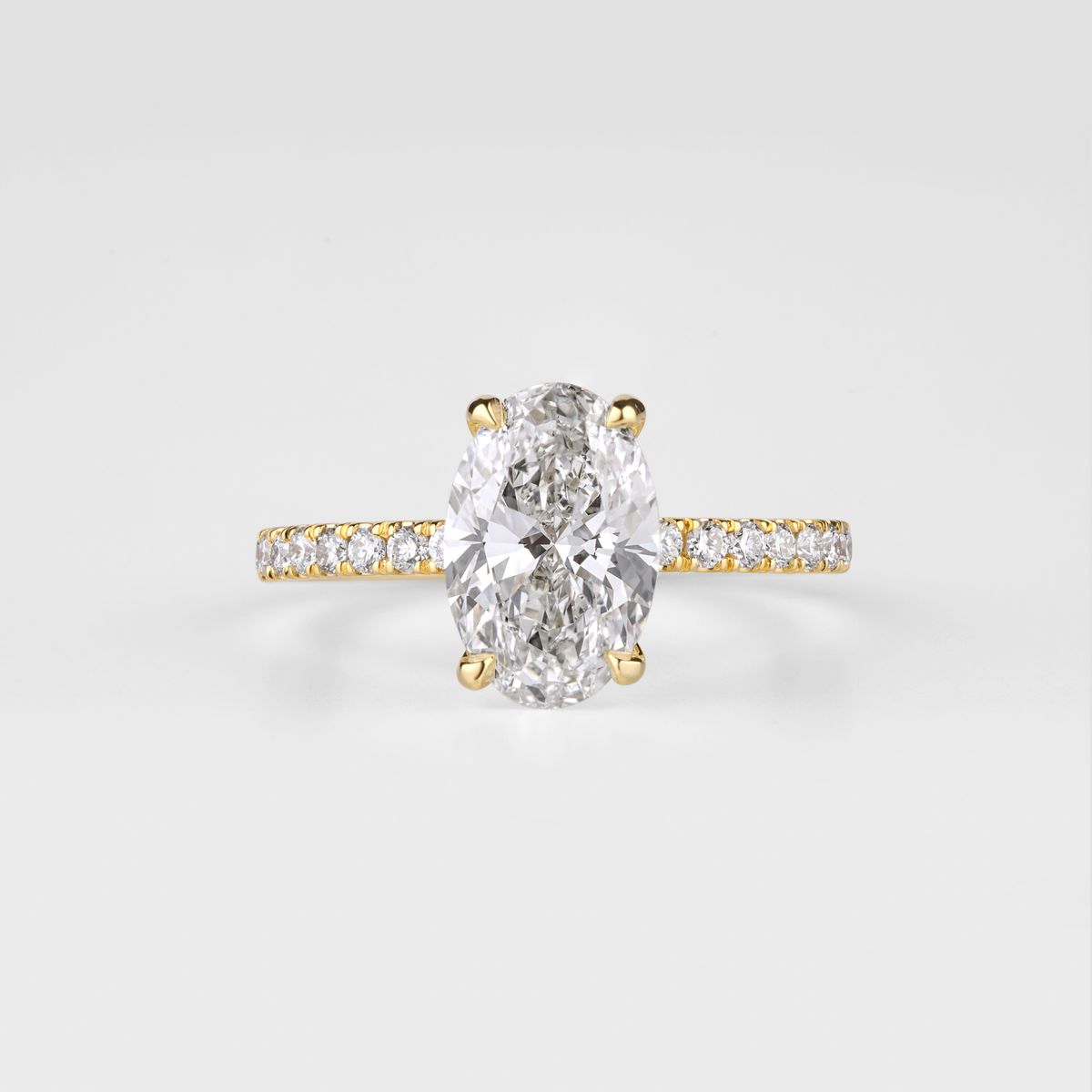
White gold is popular for halo rings because the surrounding metal can visually blend with the smaller diamonds and create a continuous bright frame. Yellow gold can be more distinctive, especially when you want the warm band to contrast with a white diamond halo.
Vintage-Inspired Rings
Yellow gold often feels especially natural with milgrain, engraving, floral details, and antique-inspired silhouettes. White gold can work as well, particularly for Art Deco-inspired designs where geometric lines and a cool metal color complement each other.
Pavé and Diamond Bands
White gold can make a pavé band look very continuous because the metal visually blends into the diamond setting. Yellow gold creates a stronger outline around the stones and can make the individual design details easier to notice.
What If You Already Wear Other Jewelry?
Look at what you actually wear, not what you think you should wear. If your watch, wedding band, bracelets, and everyday necklaces are mostly yellow gold, a yellow-gold engagement ring will naturally fit into that collection. If your jewelry is mostly silver-toned or white metal, white gold may make your pieces feel more coordinated.
But mixed metals are completely workable too. A white-gold engagement ring with a yellow-gold wedding band can look intentional rather than mismatched. The key is repetition: when a mixed-metal combination appears deliberate, it tends to feel like a styling choice instead of an accident.
Which Is Better for Everyday Wear?
Both can be excellent for everyday wear. The more useful question is what kind of maintenance you are comfortable with. White gold asks you to accept that the rhodium finish may eventually need attention. Yellow gold asks you to accept that the warmer metal will show scratches and surface wear in its own way.
For either metal, everyday habits matter. Remove the ring for heavy manual work, exercise where equipment can hit the setting, gardening, and tasks involving harsh chemicals. Keep it clean with appropriate methods, and have the setting checked if a stone moves or a prong looks damaged.
White Gold vs. Yellow Gold: Side-by-Side Comparison
| Factor | White Gold | Yellow Gold |
|---|---|---|
| Appearance | Cool, bright, white-metal look | Warm, classic golden look |
| Rhodium | Often rhodium plated | Normally no rhodium finish is needed for its color |
| Maintenance | May need occasional replating | Usually simpler color maintenance |
| Style | Modern, crisp, versatile | Classic, warm, vintage-friendly |
| Diamond contrast | Creates a cool, neutral frame | Creates warm contrast around the stone |
| Skin sensitivity | Check alloy, especially for nickel | Still worth checking alloy composition |
| Best reason to choose | You love a bright white-metal appearance | You love visible gold warmth |
Common Mistakes When Choosing Between White and Yellow Gold
Choosing only from a product photo. Lighting and editing can change how metal looks. If possible, compare the two colors under normal indoor and natural light.
Assuming white gold is platinum. They are different metals. White gold is a gold alloy and is often rhodium plated; platinum is a separate precious metal with its own properties.
Ignoring rhodium maintenance. If you want white gold, ask how the jeweler handles replating and what the service costs.
Assuming 18K is automatically better. Higher gold content is not the same thing as “best for everyone.” Consider your routine, budget, color preference, and ring construction.
Forgetting the wedding band. Think about how the engagement ring will look beside the band you may wear with it every day.
Not asking about the alloy. If you have skin sensitivity, ask exactly which metals are mixed into the gold.
Questions to Ask Before Buying
A few direct questions can remove most of the uncertainty. Ask whether the ring is 14K or 18K, which alloy is used, whether white gold is rhodium plated, what maintenance is recommended, whether replating is offered, and what happens if the finish wears through.
If you are comparing diamonds at the same time, also ask how the metal choice interacts with the diamond's color and the setting. GIA recommends approaching engagement-ring shopping as a combination of the diamond, setting, metal, and your own preferences rather than treating one specification as the entire decision. GIA's engagement-ring buying tips are useful background reading.
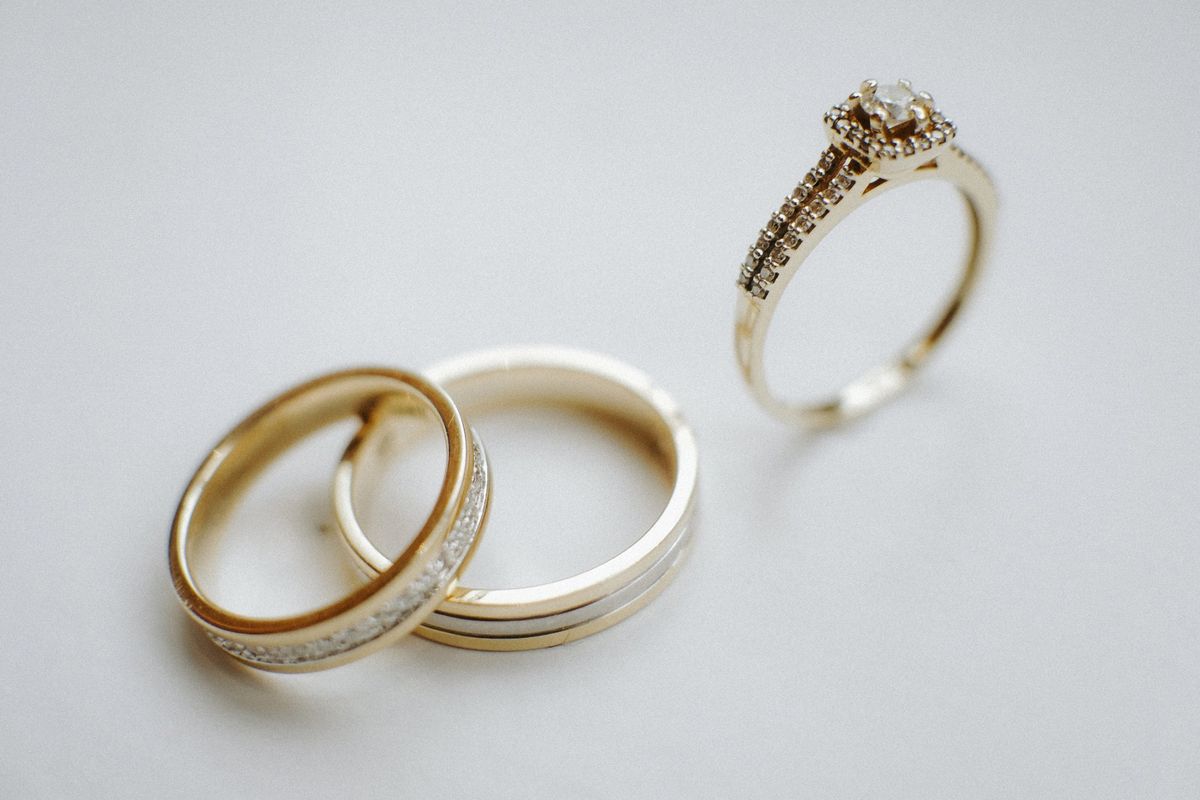
A Simple Decision Guide
Choose white gold if: you love cool-toned jewelry, want a bright white-metal appearance, prefer strong contrast around a diamond, or already wear mostly white metals.
Choose yellow gold if: you love warm color, prefer a classic or vintage-inspired feel, want the gold itself to be visually noticeable, or would rather avoid rhodium replating.
Consider mixing metals if: you genuinely love both and want the engagement ring and wedding band to have slightly different personalities.
If you are still undecided, try on the same ring design in both colors. Seeing the same diamond and setting with only the metal changed is often more revealing than comparing completely different rings.
How to Make the Choice Feel More Personal
There is a practical way to stop the decision from becoming an endless comparison: imagine the ring on an ordinary Tuesday. Think about your clothes, your watch, your other jewelry, your workplace, and how often you want to think about maintenance.
Then imagine the same ring five years from now. Would you be happy if the white-gold surface needed professional attention? Would you enjoy the natural warmth of yellow gold even if the band picked up small marks? Those questions are more useful than asking which color is universally considered better.
An engagement ring is personal by definition. The best metal is usually the one you will still enjoy when the novelty of the purchase has disappeared and the ring has simply become part of your life.
Frequently Asked Questions
Is white gold or yellow gold better for an engagement ring?
Neither is universally better. White gold suits people who want a cool, bright, contemporary appearance, while yellow gold suits people who prefer warmth and a classic golden look. Maintenance preference, diamond color, alloy composition, and personal style should decide the choice.
Is yellow gold more durable than white gold?
Not automatically. Durability depends on karat, alloy composition, ring construction, setting, and how the ring is worn. Both white and yellow gold can be suitable for everyday engagement rings.
Does white gold turn yellow?
White gold itself is an alloy that can have a slightly warm tone, while many rings receive rhodium plating to create a brighter white surface. As the rhodium wears, the underlying alloy may become more visible and the ring can appear warmer. Replating can restore the bright finish.
Does yellow gold need replating?
Yellow gold normally does not need rhodium replating simply to maintain its yellow color. It can still need cleaning, polishing, repair, or other maintenance depending on wear and the ring's construction.
Is 14K or 18K gold better for an engagement ring?
Both can be good choices. 14K contains 14 parts gold out of 24, while 18K contains 18 parts gold out of 24. The choice comes down to the balance you want between gold content, alloy composition, appearance, everyday use, and budget.
Which gold is best for a modern engagement ring?
White gold is a natural fit for many modern designs because its bright neutral appearance works well with clean lines, halos, pavé, and contemporary settings. But modern design is not limited to white metal; a streamlined yellow-gold ring can look equally current.
Which gold looks best with an old-fashioned or vintage engagement ring?
Yellow gold often complements vintage-inspired rings particularly well because its warm color works naturally with engraved, milgrain, and traditional details. White gold can also be excellent for Art Deco-inspired designs with geometric styling.
Can I wear white gold and yellow gold together?
Yes. Mixed-metal jewelry can look intentional and stylish. Repeating both metal colors elsewhere in your jewelry collection can help the combination feel cohesive.
Is white gold safe for sensitive skin?
It depends on the alloy. Some white gold contains nickel, which can be a concern for people with nickel sensitivity. Ask the jeweler whether the alloy is nickel-free or palladium-based if that matters to you.
Does the metal color affect diamond quality?
No. White or yellow gold does not change the diamond's actual grading. It changes the visual setting around the stone and can influence how you perceive the diamond's color and overall appearance.
Final Thoughts
So, is white gold or yellow gold better for an engagement ring? The honest answer is that both can be excellent. White gold wins if you want that bright, cool, modern look and are comfortable with occasional rhodium maintenance. Yellow gold wins if you want warmth, a classic identity, and a simpler approach to maintaining the metal's color.
Do not let a generic “best metal” ranking make the decision for you. Look at the diamond, the setting, the karat, the alloy, your existing jewelry, your skin sensitivity, and the way you use your hands. Then choose the color that makes the ring feel like yours.
The most successful engagement ring is rarely the one that wins every technical comparison. It is the one that looks right when you put it on, feels comfortable enough to live in, fits the way you actually dress, and still makes you smile long after the shopping trip is over.
The right gold is not the one everyone says is better. It is the one that makes your diamond, your style, and your everyday life feel like they belong together.
|
Find an Engagement Ring That Feels Like You Explore Auvera Craft's fine diamond jewelry and compare gold colors, settings, and designs for a ring you will love wearing. |
© 2026 Auvera Craft · Handcrafted Fine Jewelry · USA

