
Cart
0
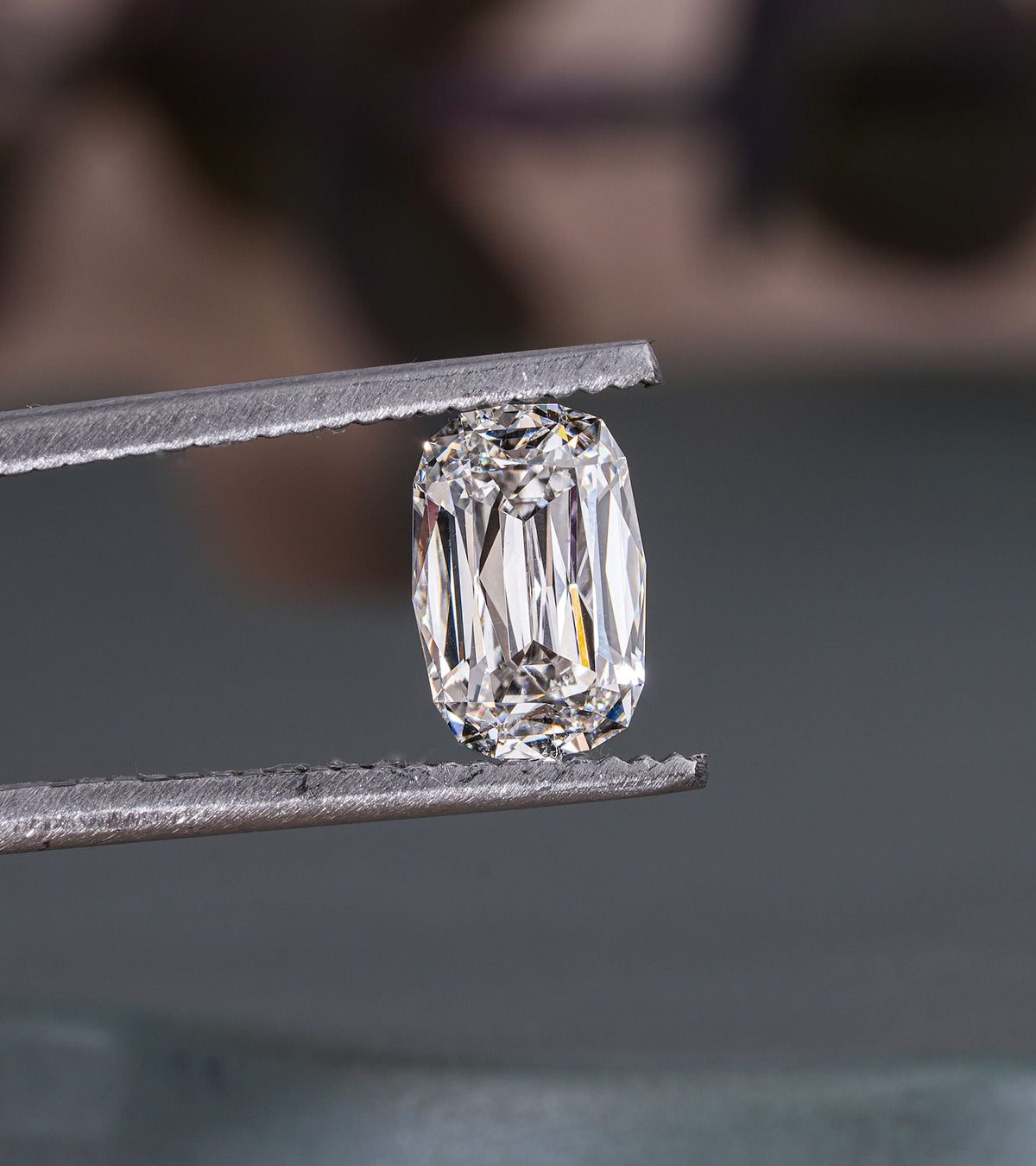
|
AUVERA CRAFT HANDCRAFTED FINE JEWELRY · DIAMOND BUYING GUIDE · 2026 |
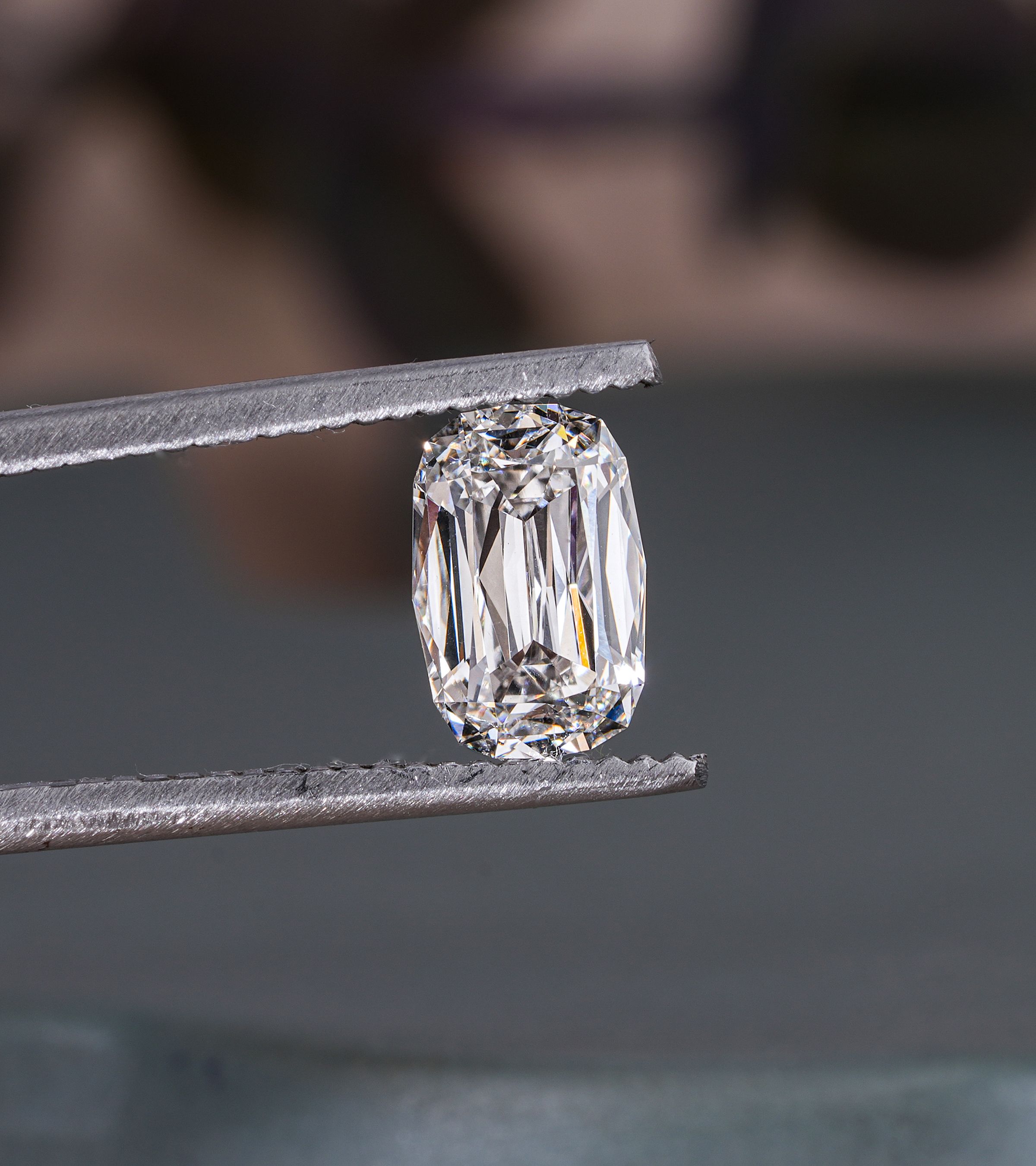
Do Lab-Grown Diamonds Lose Their Value? The Essential 2026 Guide to Resale Value
A Practical, Honest Look at Depreciation, Resale, Buybacks, and What Your Money Really Buys
Quick Summary
Yes — lab-grown diamonds can lose a significant amount of their monetary value after purchase, and the resale outlook in 2026 is generally weaker than many first-time buyers expect. The important part is understanding why. The diamond itself does not become less of a diamond. What changes is the market price of comparable new lab-grown stones, the amount buyers are willing to pay for a used stone, and the gap between a retail price and a secondary-market price.
Recent industry reporting shows just how quickly this market can move. JCK reported in August 2026 that midstream wholesale prices for loose lab-grown diamonds fell another 14% year over year in Q1 2026. That kind of price compression makes yesterday’s retail price a poor guide to what the same stone might be worth tomorrow. JCK’s 2026 reporting on lab-grown wholesale prices gives useful context.
That does not mean buying a lab-grown diamond is a bad decision. Quite the opposite: the lower purchase price can be the main reason the choice makes sense. A buyer who spends substantially less upfront may still get years of enjoyment from a beautiful diamond ring even if the stone is not a strong financial asset. The mistake is expecting an engagement ring to behave like an investment account.
Key Takeaways
• Lab-grown diamonds can have resale value, but there is no guaranteed percentage you will recover.
• The biggest reason resale can fall is rapid price compression in the lab-grown market, not physical deterioration of the diamond.
• A used lab-grown diamond competes with newly produced stones that may be available at much lower prices than when you bought yours.
• Retail price, resale price, trade-in credit, and gold value are four different things and should not be treated as interchangeable.
• Certification, cut, color, clarity, carat, shape, condition, and documentation can all affect what a later buyer is willing to pay.
• Jewelry often contains meaningful value in the gold and craftsmanship even when the center diamond has depreciated.
• If resale matters strongly to you, ask about the jeweler’s written buyback, trade-in, and upgrade policies before paying.
• If you are buying primarily for beauty, size, and the experience of wearing the ring, lab-grown can still be a sensible choice at a much lower entry price.
Quick Answer:
Do lab-grown diamonds lose their value? Usually, yes — especially when you compare future resale with the original retail price. The exact loss is impossible to promise because there is no universal resale formula. A dealer, private buyer, auction platform, or original jeweler may all offer different amounts. More importantly, the market price of new lab-grown diamonds can change quickly, so a stone purchased at today’s retail price may be competing tomorrow with a similar new stone offered for much less.
The most useful way to think about a lab-grown diamond is therefore not “Will it hold value?” but “Am I comfortable with the amount I am spending if I never recover most of it?” If the answer is yes, the purchase can still make excellent sense. If you need the ring to preserve capital, resale should be a major factor in the decision.
Who Is This Guide For?
This guide is for anyone considering a lab-grown diamond engagement ring, wedding ring, anniversary piece, or other fine-jewelry purchase and wondering what happens to its price after the honeymoon period is over. It is especially useful if you have heard two extreme claims: that lab-grown diamonds are “worthless,” or that they are basically the same financial asset as mined diamonds.
It is also for buyers who care about the practical difference between a resale, a jeweler trade-in, a store credit, and the value of the gold setting. Those numbers can look very different even when they involve the same ring. Knowing the difference before you buy can save you from a frustrating conversation later.
Introduction
There is a slightly uncomfortable question that tends to appear after the excitement of buying a diamond has passed: “What would this be worth if I had to sell it?” It is not a romantic question, but it is a sensible one. Diamond jewelry can represent a meaningful amount of money, and people’s circumstances change.
Lab-grown diamonds make that question even more interesting because the market has changed unusually quickly. Production technology has improved, supply has expanded, and the price of comparable stones has fallen. A buyer can therefore own a beautiful diamond that looks exactly as expected while discovering that the market price for a similar new stone is much lower than the price paid a few years earlier.
The Federal Trade Commission makes an important distinction here: laboratory-grown diamonds are not mined diamonds, and sellers should clearly disclose the laboratory origin. At the same time, the FTC notes that laboratory-created diamonds can have essentially the same optical, physical, and chemical properties as mined diamonds. In other words, origin and market economics are different questions from whether the stone is actually a diamond. FTC Jewelry Guides explain the disclosure requirement.

THE IMPORTANT DISTINCTION: A DIAMOND CAN BE REAL AND STILL BE A WEAK RESALE ASSET.
Why Do Lab-Grown Diamonds Lose Value?
The short answer is supply and pricing. A lab-grown diamond can be produced in a controlled environment, and production has become increasingly efficient. When more comparable stones can be made and sold at lower prices, the market has less reason to pay yesterday’s higher price for an older stone.
GIA has explained for years that man-made diamonds can look the same to the unaided eye as natural diamonds and that proper identification matters. GIA has also discussed how lab-grown diamond prices can be substantially lower than natural-diamond prices. GIA’s overview of man-made diamonds is a useful background source.
The key point for resale is that the market does not reward you simply because you bought a diamond at a particular price. A future buyer looks at what a comparable stone costs now. If a new 1.5-carat lab-grown diamond with similar grades is much cheaper than it was when you bought yours, your used stone has to compete with that current price.
The 2026 Market Makes This Especially Important
The resale conversation is not happening in a vacuum. In 2026, the lab-grown market is still adjusting to years of falling prices. JCK reported that midstream wholesale prices for loose lab-grown diamonds declined another 14% year over year in the first quarter of 2026. The article also described retailers continuing to operate with substantial margins even while wholesale pricing moved lower. Read the JCK report.
That is why a fixed “resale percentage” can be misleading. Even if someone gives you a number such as 20%, 30%, or 40%, that is not a promise. Your actual result depends on the stone, the market on the day you sell, who buys it, and how much competition exists from newly produced diamonds.
Resale Value vs. Trade-In Value vs. Gold Value
This is one of the biggest areas of confusion when people research diamond resale. You can receive three very different numbers for the same ring.
• Open-market resale: You sell to a jeweler, dealer, private buyer, or resale platform. The buyer is looking for a price that makes sense against today’s market.
• Trade-in or upgrade credit: The original jeweler may offer store credit under specific terms. This can be higher than a cash resale offer because the business is trying to keep you as a customer.
• Metal value: The gold or platinum in the setting has its own market value. A buyer may calculate the precious-metal component separately from the diamond.
A trade-in promise should never be treated as the same thing as cash in your pocket. If a jeweler says your ring qualifies for a percentage-based upgrade, read the conditions carefully. There may be minimum purchase requirements, restrictions on custom work, certification requirements, or rules about how the credit is calculated.
Does a Lab-Grown Diamond Itself Become Worse Over Time?
No. Normal aging is not the main issue behind monetary depreciation. A diamond does not suddenly become “old” in the way a phone or car does. A properly cared-for lab-grown diamond can remain a durable piece of jewelry for years.
What changes is the market. Think about two identical-looking products: one purchased when the market price was high and one purchased later when production costs and retail prices had fallen. The physical stone can be perfectly fine while the economic value of owning it changes.
This distinction matters emotionally as well. A ring can lose financial value and still become more valuable to its owner in a personal sense. The proposal, anniversary, family memories, photographs, and years of wear are not reflected in a dealer’s offer. Resale is only one definition of value.
How Much Resale Value Can You Expect?
There is no reliable universal percentage for every lab-grown diamond. You may see online estimates suggesting that owners recover a certain fraction of their original price, but those figures are usually market-specific and depend heavily on the seller, the stone, and the date.
Some 2026 buyer guides and jewelers in India discuss rough ranges around 20% to 40% of the original purchase price in certain resale situations, but those are not industry-wide guarantees. Even within the same market, a certified loose stone, a branded ring, and a heavily customized ring can receive very different offers.
The safest assumption is conservative: buy a lab-grown diamond expecting to enjoy it, not expecting to recover your purchase price later. If the ring eventually sells for more than expected, that is a pleasant outcome rather than something the original purchase depended upon.
What Actually Affects Lab-Grown Diamond Resale?
1. Current Market Price
This is arguably the biggest factor. A buyer compares your stone with what they can purchase today. If equivalent new stones are cheaper, your resale offer will feel that pressure immediately.
2. Carat Weight and Shape
Larger stones can attract attention, but size alone does not guarantee liquidity. Shape matters because demand changes between rounds, ovals, emerald cuts, cushions, pears, marquises, and other fancy shapes. A popular shape may be easier to match with a buyer’s preferences.
3. Cut, Color, and Clarity
A diamond with attractive proportions, strong cut quality, pleasing color, and useful clarity can be easier to explain and compare in a resale transaction. A weakly cut stone or one with visible issues may need a deeper discount to attract a buyer.
4. Certification and Documentation
A grading report does not magically create resale value, but it gives a future buyer information they can verify. Keep the original grading report, invoice, product details, and any appraisal or inspection documents together. The FTC also advises consumers to understand gemstone terminology and ask sellers about origin and documentation. FTC consumer guidance on buying diamonds and gemstones is a useful reference.
5. The Setting and Metal
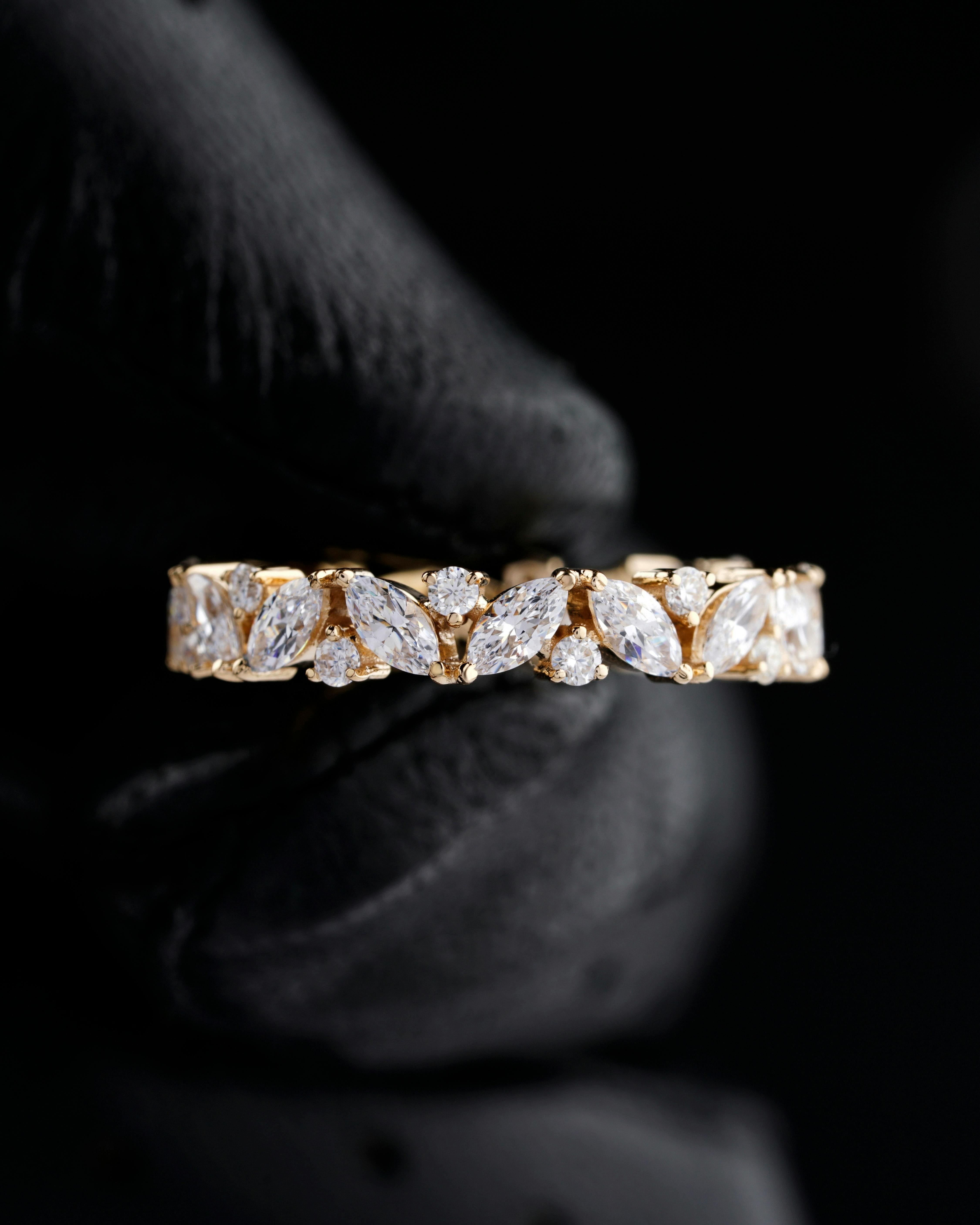
A finished ring is more than the center diamond. Gold or platinum, accent stones, craftsmanship, and design all contribute to what you paid. In resale, however, not every part of that original retail price is recovered. A buyer may value the metal close to its current material value while assigning much less to the original labor, branding, packaging, or design premium.
6. Condition
A ring with loose stones, bent prongs, heavy scratches, or obvious damage will be harder to sell. Keep the setting maintained and have it inspected if something feels loose. Good condition will not stop market depreciation, but poor condition can make the outcome worse.
7. Where You Sell
Selling to a jeweler is convenient, but convenience has a price. A private buyer may offer more but can take longer to find and requires more work. A specialist resale platform may have different fees and buyer expectations. Always compare more than one route if the amount involved is meaningful.
Why the Original Retail Price Can Be Misleading
Imagine you buy a lab-grown diamond ring for $5,000. That $5,000 is not the same thing as the market value of the loose diamond. It may include the diamond, gold, setting labor, design, quality control, shipping, packaging, retailer overhead, payment processing, marketing, warranty support, and profit.
When you resell the ring, the next buyer is not necessarily paying for all of those things again. They are primarily buying the diamond and the physical jewelry. That is why even a perfectly legitimate retail purchase can produce a surprisingly low resale offer.
This is not unique to lab-grown diamonds. Most retail jewelry does not resell for its original ticket price. The difference with lab-grown diamonds is that falling replacement prices can add another layer of depreciation.
Are Lab-Grown Diamonds a Bad Investment?
If your definition of “investment” means an asset you expect to appreciate or reliably preserve capital, a lab-grown diamond should not be treated that way. There is too much uncertainty in future pricing, supply, consumer demand, and resale liquidity.
But calling a purchase a bad investment does not automatically make it a bad purchase. An engagement ring is usually bought because you want to wear it, not because you expect to trade it every year. If lab-grown lets you buy a larger or higher-grade diamond while keeping more money available for your home, savings, travel, wedding, or other priorities, that immediate value can be more important than resale.
The better question is: Does the purchase make sense at today’s price, for your life, even if the future resale value is disappointing? If yes, you are buying with realistic expectations.
How Lab-Grown Can Still Be a Smart Choice
The strongest argument for lab-grown diamonds is the price you pay on day one. If two stones give you the appearance and physical characteristics you want but one costs substantially less because it is laboratory-grown, the lower entry price is real value.
This is where percentage loss can be psychologically misleading. Losing 60% of a $2,000 purchase is a $1,200 loss. Losing 30% of a $10,000 purchase is a $3,000 loss. The lower-resale-percentage option can still result in less money spent overall.
That is why I would not tell a buyer to choose natural simply because it has historically had a stronger secondary market. I would first ask what matters most: origin, rarity, budget, size, craftsmanship, long-term resale, or the ability to enjoy a beautiful diamond without tying up as much money.
What Should You Ask a Jeweler Before Buying?
• “If I sell this ring back to you for cash, how is the offer calculated?”
• “Do you offer trade-in or upgrade credit, and what are the exact conditions?”
• “Is the policy written down, and does it apply to lab-grown diamonds specifically?”
• “What happens to the value of the gold setting if I sell the ring?”
• “Will I receive an independent grading report for the diamond?”
• “Are there fees, minimum purchase amounts, or exclusions in the buyback policy?”
• “If the market price of new lab-grown diamonds falls, does your exchange policy change?”
A trustworthy seller should be comfortable answering these questions without turning the conversation into a sales pitch. The FTC’s consumer guidance also recommends checking seller reputation, return policies, and the details of what you are buying before committing. FTC buyer guidance.
How to Protect the Value You Can Protect
• Keep the original grading report and purchase invoice in a safe place.
• Keep the ring clean and in good condition, but do not use aggressive DIY methods that could damage the setting.
• Have prongs and the setting checked periodically, especially if the ring is worn every day.
• Keep documentation for the metal, center diamond, side stones, and any custom work.
• If you may sell later, avoid highly personalized modifications that make the piece difficult for another buyer to wear.
• Before buying, compare the jeweler’s written trade-in or buyback terms with the open-market alternatives available to you.
Lab-Grown Diamond Resale vs. Natural Diamond Resale
Natural diamonds are not guaranteed investments either. They also typically sell below original retail price in secondary markets, and natural-diamond prices have experienced significant volatility. The difference is that natural diamonds have a longer-established secondary market and scarcity-based economics that can support stronger demand in some categories.
Lab-grown diamonds face a different supply dynamic. New production can add comparable stones to the market, and technological improvements can reduce the price of future stones. That makes the resale challenge more pronounced when a buyer is comparing an older lab-grown diamond with a cheaper new alternative.
So the useful comparison is not “natural always keeps its value, lab-grown never does.” That is too simplistic. The more accurate statement is that lab-grown diamonds generally face greater price pressure in the secondary market, while neither category should be treated as a guaranteed investment.
Should You Buy a Lab-Grown Diamond in 2026?
If you love the look of a diamond, want a larger stone for your budget, and are comfortable treating the purchase as jewelry rather than an appreciating asset, 2026 can still be a very reasonable time to buy. The falling-price environment is frustrating for someone trying to resell an older stone, but it is also part of why new buyers can access larger diamonds at lower prices.
If preserving resale value is one of your top three reasons for buying, slow down. Compare natural and lab-grown options side by side, ask for written policies, and look at the actual cash economics rather than a marketing claim. You may decide that the higher initial price of a natural diamond is worthwhile for your priorities.
And if you already own a lab-grown diamond, do not panic because you read that prices have fallen. Your ring is not suddenly worthless. It still contains a real diamond, a physical precious-metal setting, and the personal value attached to the piece. The important lesson is simply that its future resale price may be much lower than its original retail price.
A Simple Buying Strategy for Better Long-Term Value
Set the budget first. Decide what you are genuinely comfortable spending without assuming you will recover it later.
Buy the diamond you actually love. Prioritize cut, proportions, and visual appearance instead of chasing a certificate number.
Compare current prices. If lab-grown pricing is changing quickly, shop around and compare equivalent stones before buying.
Get independent documentation. Keep the grading report and purchase records.
Understand the policy. A written exchange or upgrade policy can be more useful than a vague promise of “good resale value.”
Remember the setting. Gold, platinum, craftsmanship, and condition still matter when the ring is eventually evaluated.
Buy for the years you will wear it. If the ring becomes part of your daily life for ten or twenty years, the enjoyment you receive is part of the value equation.
Frequently Asked Questions
Do lab-grown diamonds lose their value?
Yes, they can lose a significant amount of monetary value after purchase. The main issue is market pricing: new lab-grown diamonds can become cheaper as production expands and technology improves, which puts pressure on the resale price of older stones.
Do lab-grown diamonds have any resale value?
Yes. A lab-grown diamond can be resold if a buyer is willing to purchase it, but there is no guaranteed resale percentage. The offer depends on current market prices, diamond quality, documentation, condition, demand, and where you sell.
Why is lab-grown diamond resale value lower than the original price?
Retail price includes the diamond plus setting, labor, design, overhead, services, and other costs. A secondary-market buyer usually does not pay the same retail premium, and falling prices for new lab-grown diamonds can further reduce the amount a used stone commands.
Is a lab-grown diamond a good investment?
It should not be purchased as an investment with an expectation of appreciation or reliable capital preservation. It can still be a good jewelry purchase if the lower upfront price and the enjoyment of wearing the diamond matter more to you than future resale.
Can I sell a lab-grown diamond ring to a jeweler?
Yes, although the amount offered can vary widely. A jeweler may value the diamond, gold or platinum, design, and condition separately, and the offer may be substantially below the original retail price.
Does an IGI or other grading report help resale value?
A reputable grading report can make a diamond easier for a future buyer to evaluate because it documents important characteristics. It does not guarantee a high resale price, but it can reduce uncertainty and make comparison easier.
Does the gold setting keep its value if the diamond loses value?
The gold or platinum has its own material value, so the setting can retain a portion of the purchase value independently of the diamond. However, the retail price of craftsmanship and design is not necessarily recovered in a cash resale.
Should I buy natural instead if resale matters to me?
If resale and long-term value retention are major priorities, natural diamonds deserve serious consideration because they have a longer-established secondary market. But natural diamonds can also sell below retail, so neither type should be treated as a guaranteed investment.
Final Thoughts
So, do lab-grown diamonds lose their value? In most real-world resale situations, you should expect substantial depreciation compared with the original retail price. The 2026 market makes that reality particularly important because wholesale prices have continued to move downward in many lab-grown categories.
But there is another side to the story. A lower resale value does not erase the value you received on the day you bought the ring. If you paid significantly less upfront for a beautiful, well-made diamond that you wear for years, the purchase can still be completely worthwhile. Jewelry is not only a balance-sheet item.
The smartest buyer is the one who knows which kind of value they are buying: immediate beauty and wearability, emotional meaning, craftsmanship, metal content, trade-in flexibility, or future resale. Once you separate those ideas, the decision becomes much clearer.
Buy a lab-grown diamond because you love what you are getting today — not because someone promises what it will be worth tomorrow.
|
Choose Your Diamond With Confidence Explore Auvera Craft's handcrafted fine jewelry and lab-grown diamond designs with a clear understanding of quality, craftsmanship, and value. |
© 2026 Auvera Craft · Handcrafted Fine Jewelry · USA

