
Cart
0

You may also like
Rare Diamond Cuts Explained: From Portuguese and Rose to Modern Custom Shapes 2026
You may also like
Design Your Dream Ring: Exploring Custom Cut Lab Grown Diamonds in 2026
You may also like
Beyond Round and Oval: 9 Unique Lab Grown Diamond Cuts to Know in 2026

A Guide to Unusual Diamond Cuts: Portuguese, Rose, Portrait, Kite and More 2026
Explore Rare Diamond Cuts, Their Faceting Styles, Light Performance, History and Buying Tips
Quick Summary
Unusual diamond cuts offer an alternative to the familiar round brilliant, oval, cushion and emerald shapes. Some are defined by historic faceting traditions, while others use geometric outlines or highly specialized cutting arrangements. Portuguese, rose, portrait and kite cuts are particularly distinctive because each creates a very different relationship between diamond shape, facets, transparency and light.
When exploring unusual diamond cuts in 2026, it is important to separate shape from cutting style. Shape describes the outline of the diamond, while cut describes how the stone has been fashioned and how its facets interact with light. GIA notes that formal cut grading is standardized for round brilliant diamonds, while other shapes are generally treated as fancy shapes and require more individual evaluation.
The right unusual diamond cut depends on what you value most. You may prefer the intense faceting of a Portuguese cut, the soft antique glow of a rose cut, the transparent character of a portrait cut or the sharp architectural silhouette of a kite cut.
Key Takeaways
- Unusual diamond cuts can be defined by historic faceting styles, geometric outlines or specialized cutting techniques.
- A Portuguese cut is known for an unusually high number of facets and an intricate visual pattern.
- Rose cut diamonds have a flat base and domed crown with triangular facets that rise toward a central point.
- Portrait cut diamonds are extremely thin and emphasize transparency rather than intense brilliance.
- Kite cut diamonds have a distinctive four sided geometric outline and are often used in contemporary and custom jewelry.
- Old Mine and Old European cuts provide historic alternatives to modern brilliant cuts.
- Lozenge, shield and other geometric shapes can create architectural engagement ring designs.
- Fancy shapes do not receive the same standardized GIA cut grading system used for round brilliant diamonds.
- Symmetry, polish, proportions, clarity and the actual visual performance of the individual stone should be examined carefully.
- Protective settings are particularly important for diamonds with sharp points or extremely thin profiles.
Quick Answer: What Is the Most Unusual Diamond Cut?
There is no single diamond cut that can objectively be called the most unusual. Portuguese, rose, portrait and kite cuts are unusual for different reasons. Portuguese cuts stand out because of their dense faceting, rose cuts because of their historic shallow construction, portrait cuts because of their extreme thinness and transparency, and kite cuts because of their angular geometric outline.
If your priority is visible sparkle, a highly faceted style such as Portuguese may be more interesting. If you prefer understated vintage character, rose cut can be compelling. If transparency and artistic design matter most, portrait cut offers a very different appearance. For a modern architectural engagement ring, kite shaped diamonds provide a distinctive silhouette.
Who Is This Guide For?
This guide is for anyone researching unusual diamond cuts in 2026 and looking beyond traditional diamond shapes. It is especially useful for engagement ring shoppers, collectors, custom jewelry buyers and anyone interested in antique inspired or contemporary geometric diamond designs.
It can also help shoppers who have found a rare diamond online but are unsure whether the stone's appearance comes from its outline, facet arrangement, historical cutting style or combination of these characteristics.
Introduction
For many diamond buyers, the search begins with familiar choices such as round, oval, cushion, pear or emerald. Yet diamond cutting has never been limited to those popular styles. Across different periods of jewelry history, cutters have experimented with facet arrangements, proportions and silhouettes to create stones with very different personalities.
That history is especially interesting when looking at unusual diamond cuts. Some were created before modern cutting technology existed. Others developed from artistic experimentation or the desire to create distinctive jewelry. Modern cutters can also combine historic ideas with contemporary precision, producing stones that look both old world and new.
Understanding these cuts requires looking beyond the number of facets. A diamond's proportions, symmetry, polish, transparency and interaction with light all contribute to its appearance. The same unusual outline can look completely different depending on how it has been faceted.
What Makes a Diamond Cut Unusual?
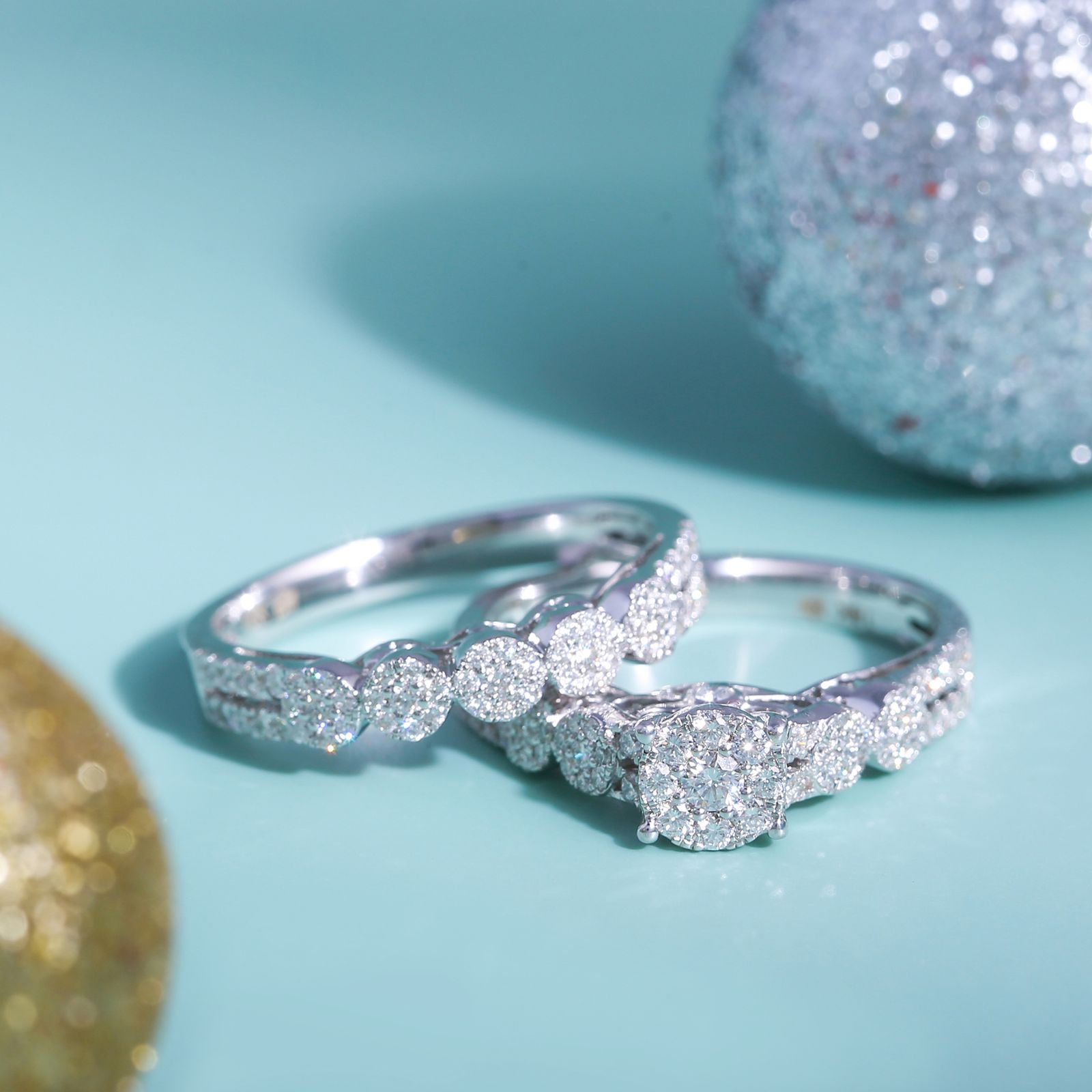
A diamond becomes unusual when its shape, facet arrangement or construction falls outside the mainstream cutting styles commonly offered by jewelry retailers. Some unusual diamond cuts are historically important, while others are niche designs created for custom jewelry.
Unusual Shape
A kite, shield or lozenge outline immediately looks different from a traditional round or oval. These geometric silhouettes can create a strong architectural appearance and are frequently used in contemporary engagement rings.
Unusual Faceting
A stone can also be unusual because of the way its facets are arranged. Portuguese cuts are a good example. The outline may be relatively familiar, but the dense faceting creates a very different visual pattern.
Historic Construction
Rose and portrait cuts represent earlier approaches to diamond cutting. Their proportions and light behavior differ significantly from modern brilliant cuts because they were created for different aesthetic and technological environments.
Portuguese Cut Diamonds
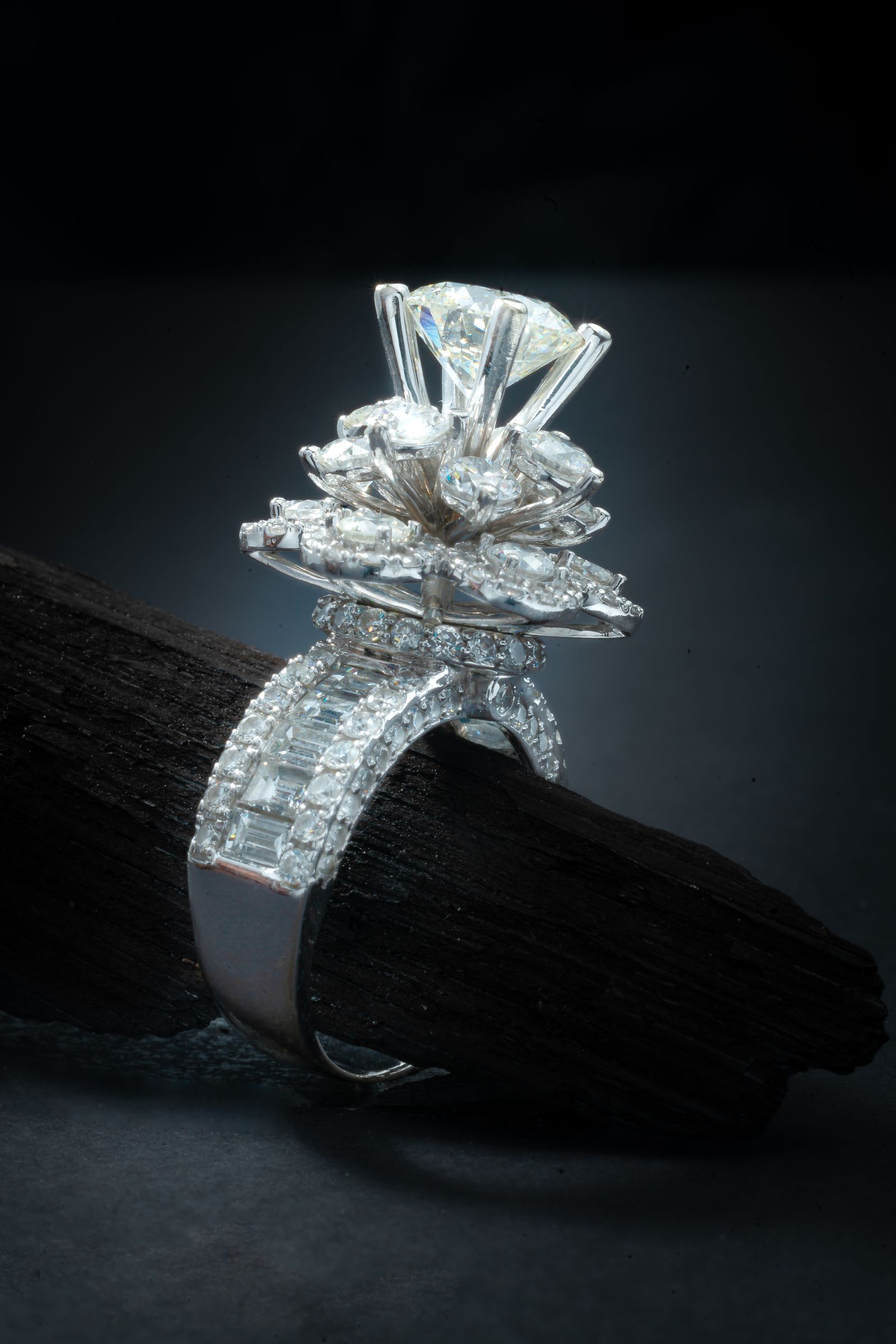
The Portuguese cut is one of the most visually intricate unusual diamond cuts. It is associated with a very high number of facets, often described as having more than 160 facets. This is substantially more than the 57 or 58 facets associated with a standard round brilliant.
The dense facet arrangement creates a complex pattern of reflections. Instead of seeing only a few broad areas of brilliance, the eye can pick up many smaller flashes across the diamond. This gives the Portuguese cut a distinctive, highly faceted personality.
Portuguese Cut Faceting
Portuguese cutting is commonly described as having multiple rows of facets across both the crown and pavilion. The exact appearance can vary depending on the individual cutter and stone, so buyers should examine the actual diamond rather than relying only on a name.
Portuguese Cut Appearance
The visual effect can be especially interesting under changing lighting. The numerous facets create a busy, detailed pattern that can look very different from the broad flashes associated with step cuts. For shoppers who enjoy complex sparkle, the Portuguese style can be an unusual alternative to a standard brilliant.
Who May Like a Portuguese Cut?
This style can appeal to buyers who want a traditional looking outline with a less conventional internal pattern. It can work particularly well in solitaire rings, vintage inspired settings and statement jewelry where the diamond itself is intended to be the focal point.
Rose Cut Diamonds
Rose cut diamonds are among the oldest diamond cutting styles and are strongly associated with antique jewelry. GIA describes the rose cut as having a flat bottom and a domed crown that rises toward an apex, with triangular facets arranged around the surface.
Unlike a modern brilliant, a rose cut does not have a traditional pavilion designed to maximize light return. Instead, it produces a softer glow and broader reflections. This gives the stone a quieter appearance rather than the intense sparkle many people associate with modern diamonds.
Why Rose Cuts Look Different
The flat base makes a rose cut relatively shallow. Because much of the stone spreads across the surface rather than extending deeply into a pavilion, a rose cut can appear visually large for its weight. Its appeal is often connected to its low profile, broad surface and antique character.
Rose Cut Sparkle
Rose cut diamonds generally produce a softer shimmer than brilliant cuts. Their broad facets can create flashes when the stone moves, but the overall effect is usually less fiery and less intensely scintillating than a modern round brilliant.
Rose Cut Jewelry Styles
Rose cuts work beautifully in low profile rings, bezel settings, antique inspired engagement rings, earrings and delicate pendants. Their shallow structure also makes them useful when a designer wants the diamond to sit close to the surface of the jewelry.
Portrait Cut Diamonds
Portrait cut diamonds are perhaps the most different from modern brilliant cuts. Instead of being designed primarily for sparkle, they are extremely thin and emphasize transparency. The style has historical associations with the use of thin diamonds as protective covers over miniature portraits and other sentimental objects.
Modern portrait cuts can appear almost like transparent panes of diamond. Their surfaces are broad and their profiles are exceptionally thin, making clarity and transparency especially important.
Portrait Cut Structure
A portrait cut generally has a very thin profile with minimal faceting compared with a brilliant cut. The shape can be rectangular, square, oval or irregular depending on the jewelry design.
Why Clarity Matters
Because the stone is so transparent and has relatively little faceting to disguise internal characteristics, inclusions can be easier to notice. Buyers should inspect the individual stone carefully and understand that clarity requirements can be different from those for a heavily faceted diamond.
Portrait Cut Jewelry
Portrait cuts are particularly interesting in artistic jewelry. A designer can place engraving, colored materials, miniature artwork or other decorative details beneath the transparent diamond. This creates a layered visual effect that is very different from conventional engagement rings.

Kite Cut Diamonds
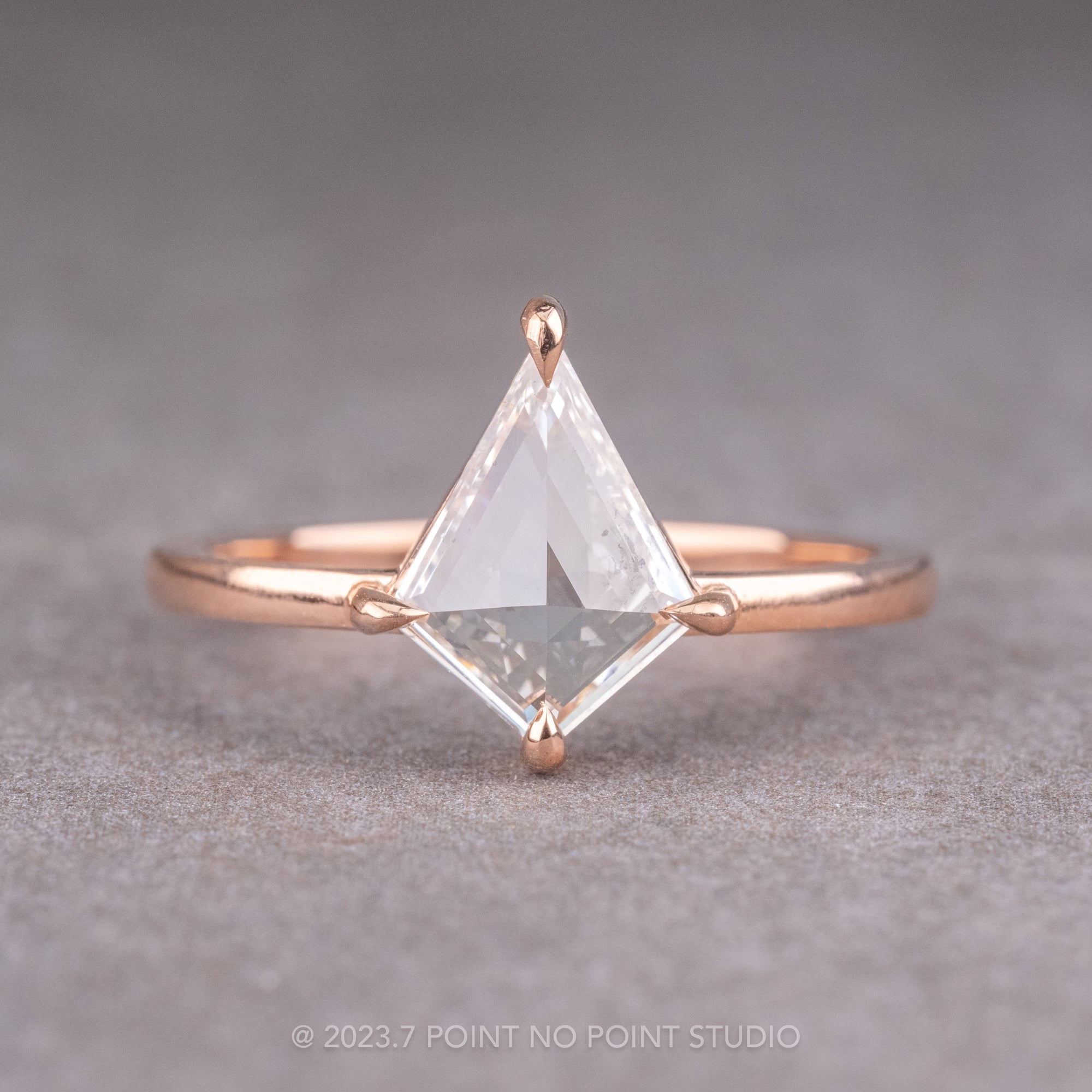
Kite cut diamonds are defined primarily by their geometric outline. As the name suggests, the shape resembles a flying kite, with straight edges and pointed ends. Depending on the individual stone, the proportions can range from relatively compact to dramatically elongated.
Kite diamonds are especially popular in custom and contemporary jewelry because the directional shape creates an immediate visual statement. The stone can be worn vertically, horizontally or incorporated into a more complex geometric design.
Kite Cut Shape
The outline usually has four sides and pointed corners. Unlike a symmetrical lozenge, many kite diamonds have a directional appearance with a distinct top and bottom. This creates a strong sense of movement.
Brilliant Cut Kite
A brilliant style kite uses triangular and radiating facets to create more active sparkle. The exact facet pattern varies between stones, so visual inspection is particularly important.
Step Cut Kite
A step cut kite uses longer, more linear facets. Instead of a busy sparkling pattern, the appearance can be cleaner and more mirror-like. This style can be particularly attractive in minimalist and Art Deco inspired jewelry.
Kite Cut Setting Considerations
The pointed ends require careful protection. V-prongs or protective bezel elements can help shield the tips from accidental impact. The setting should be designed specifically around the actual dimensions of the diamond rather than relying on a generic mount.
Other Unusual Diamond Cuts to Know
Portuguese, rose, portrait and kite cuts are only part of the world of unusual diamond cuts. Several other historic and geometric styles can create distinctive jewelry designs.
Old Mine Cut
Old Mine cuts are historic diamonds associated with earlier cutting traditions. They generally have a chunky appearance, larger facets and a distinctive visual personality compared with modern brilliant cuts. Their charm often comes from the combination of hand crafted irregularity and historic proportions.
Old European Cut
Old European cuts are round stones with historic proportions and larger culets than modern round brilliants. They can display broader flashes and a softer, more romantic appearance. They are often chosen by buyers who want vintage character without moving away from a round outline.
Lozenge Cut
A lozenge is a geometric diamond outline with pointed ends. Unlike many kite shapes, a traditional lozenge can have a more symmetrical top to bottom appearance. It can be particularly effective in Art Deco inspired jewelry and elongated geometric settings.
Shield Cut
Shield shaped diamonds use strong angular lines to create a silhouette that resembles a heraldic shield. They can work as center stones or side stones and are especially interesting when combined with tapered baguettes or other geometric accents.
Hexagon Cut
Hexagon diamonds provide six sided geometry and can be cut using brilliant, step or mixed facet arrangements. Their architectural outline makes them a popular option for contemporary jewelry and alternative engagement rings.
Unusual Diamond Cuts Compared
Each unusual diamond cut creates a different combination of shape, sparkle, transparency and design flexibility. The table below provides a practical starting point when comparing the main styles discussed in this guide.
| Cut | Main Character | Light Effect | Design Personality |
|---|---|---|---|
| Portuguese | Highly faceted | Many small flashes | Intricate and dramatic |
| Rose | Flat base and domed crown | Soft shimmer | Antique and romantic |
| Portrait | Very thin and transparent | Soft reflection | Artistic and minimalist |
| Kite | Four sided geometry | Depends on facet style | Architectural and modern |
| Old Mine | Historic chunky faceting | Broad vintage flashes | Antique and romantic |
| Old European | Historic round design | Broad sparkle | Classic vintage |
| Lozenge | Pointed geometric outline | Depends on faceting | Art Deco inspired |
| Shield | Angular shield silhouette | Depends on faceting | Bold and architectural |
Cut vs Shape: Why the Difference Matters
One of the most common mistakes when researching unusual diamond cuts is treating shape and cut as the same thing. They are related but not identical.
Diamond Shape
Shape describes the outline visible when you look at the diamond from above. Round, oval, pear, kite, shield and hexagon are examples of shapes.
Diamond Cut
Cut describes the way the diamond has been fashioned, including facet arrangement, proportions and polish. A kite shaped diamond can therefore have different faceting styles, while a round diamond can be cut using historic or modern approaches.
This distinction is particularly important when shopping for unusual diamond cuts because two stones with the same outline can have very different visual performance.
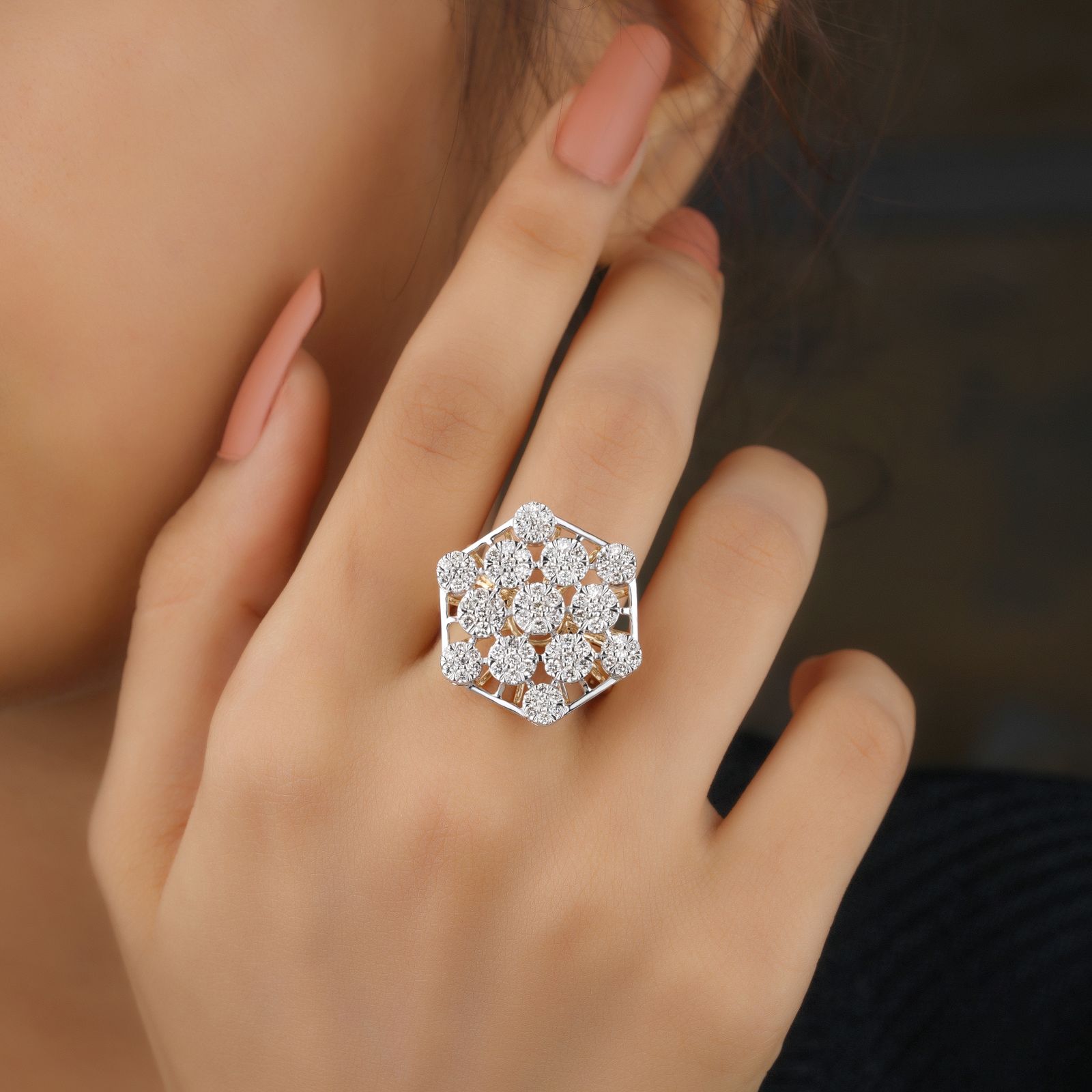
How Light Behaves in Unusual Diamond Cuts
Diamond appearance is strongly influenced by how light enters, travels through and exits the stone. GIA describes brightness, fire and scintillation as important visual effects produced by the interaction of light with a diamond's facets and proportions.
Brightness
Brightness refers to the amount of white light returned to the observer. A well proportioned diamond can appear lively and bright, while unsuitable proportions can create areas of light leakage.
Fire
Fire refers to flashes of spectral color. The number, size and arrangement of facets can influence how these flashes appear.
Scintillation
Scintillation is the pattern of light and dark areas that appears as the diamond or observer moves. Unusual cuts can produce distinctive scintillation patterns that may be very different from a round brilliant.
Why Unusual Diamond Cuts Do Not Always Have Standard Cut Grades
GIA's formal diamond cut grading system applies to standard round brilliant diamonds. This is because round brilliants have a standardized facet design that allows proportions and performance to be evaluated consistently. Other diamond shapes are considered fancy shapes and do not receive the same standardized cut grade.
That does not mean unusual diamond cuts cannot be evaluated. Instead, the buyer should examine the individual diamond's symmetry, polish, proportions, transparency, facet alignment and overall appearance.
For rare shapes, videos and high resolution photographs can be particularly useful because a single still image may not show how the stone performs as it moves through different lighting conditions.
How to Choose an Unusual Diamond Cut
1. Start With the Look You Want
Decide whether you want intense sparkle, soft vintage character, transparency or geometric drama. This will narrow the field quickly.
2. Study the Actual Stone
Do not buy an unusual cut based only on its name. Look at the exact stone from multiple angles and under different lighting conditions.
3. Check Symmetry
Symmetry becomes particularly important with geometric cuts. Uneven shoulders, off center points or inconsistent facet junctions can be more noticeable when the outline is highly structured.
4. Examine Clarity
Open or transparent cuts can make inclusions easier to see. Portrait cuts in particular can require careful clarity inspection because of their thin and transparent structure.
5. Think About Durability
Sharp points and very thin profiles can require additional protection. Discuss the setting with your jeweler before ordering the stone.
6. Consider Custom Setting Costs
Unusual shapes may not fit standard engagement ring mountings. A custom setting can therefore be necessary, particularly for kite, shield, lozenge and portrait cuts.
Unusual Diamond Cut Buying Checklist
- Confirm the exact shape and cutting style.
- Ask whether the diamond has a grading report.
- Check the listed measurements rather than relying only on carat weight.
- Examine symmetry from the face up position.
- Look for visible light leakage or unusually dark areas.
- Review clarity carefully, especially for transparent or open cuts.
- Check polish and facet alignment.
- Ask how the pointed corners will be protected.
- Confirm whether the setting is custom made for the stone.
- Request high resolution images and video when buying online.
- Compare the stone under more than one lighting condition.
- Understand the return and resizing policy before purchase.
Best Settings for Unusual Diamond Cuts
Bezel Setting
A bezel can provide strong protection around the edges of a diamond. This can be particularly useful for shallow portrait cuts and geometric diamonds with vulnerable points.
V Prongs
V prongs can help protect pointed corners on kite, shield, pear and other angular stones. The metal wraps around the tip rather than relying on a small round prong directly over the point.
Minimal Prong Setting
A minimal prong design can maximize the visible outline of an unusual diamond. However, the setting still needs to provide adequate protection and stability for the specific stone.
Vintage Inspired Settings
Rose, Old Mine and Old European diamonds often pair naturally with vintage inspired settings. Milgrain details, engraved shoulders and warm metal colors can reinforce the historic character of the stone.
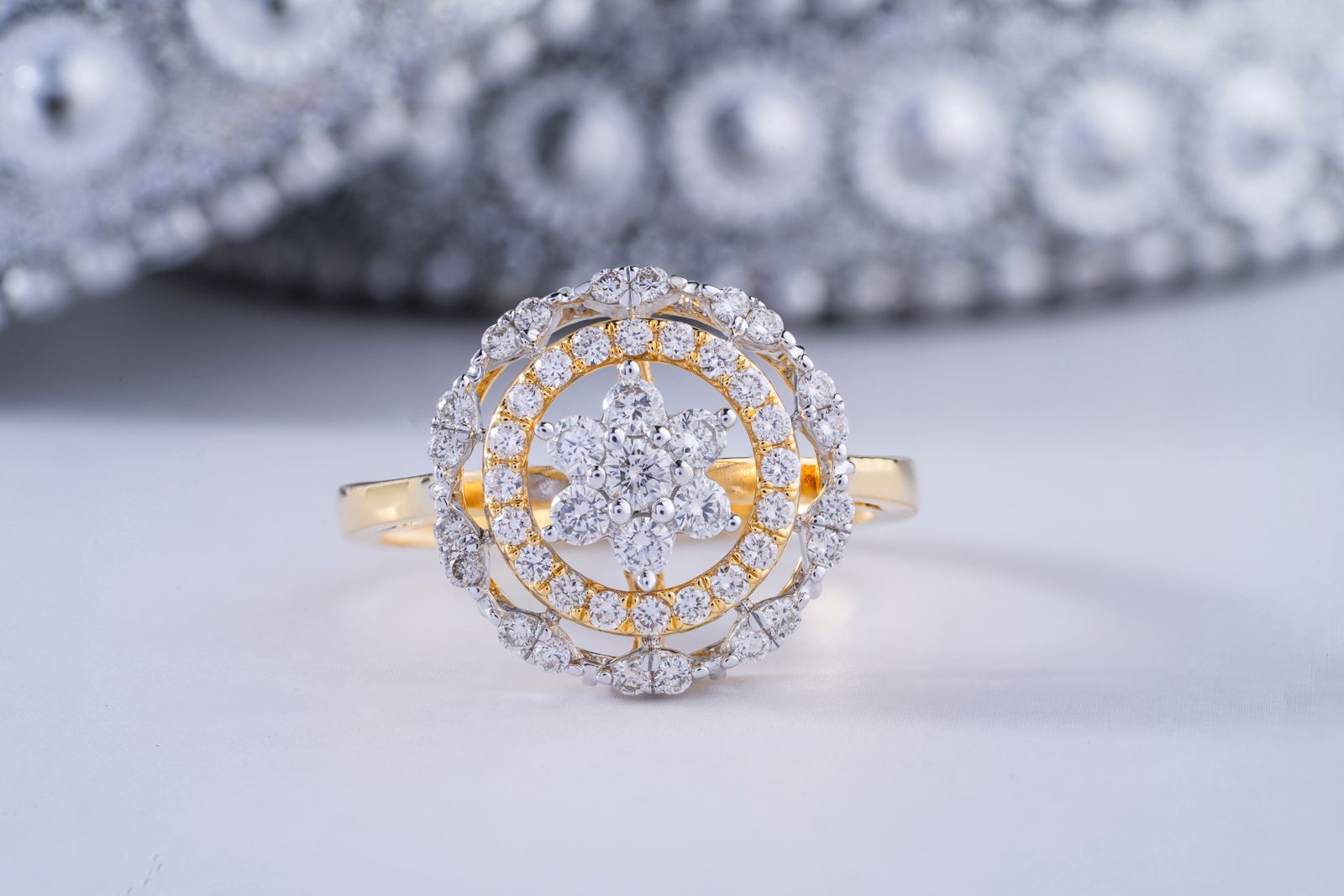
Unusual Diamond Cuts for Engagement Rings
An unusual diamond cut can make an engagement ring feel much more personal. Instead of relying on a familiar shape, the center stone becomes part of the overall design language.
Portuguese Engagement Ring
A Portuguese cut can work as a solitaire when the goal is to make the intricate facet pattern the main feature. A simple band can keep the center stone visually dominant.
Rose Cut Engagement Ring
Rose cuts can create a low profile engagement ring with a softer antique appearance. Bezel and low profile settings can complement the shallow structure.
Portrait Cut Engagement Ring
Portrait cuts can create a highly artistic engagement ring, particularly when the setting incorporates engraving, colored gemstones or a decorative background beneath the transparent diamond.
Kite Cut Engagement Ring
Kite cuts are particularly effective when the setting emphasizes their angular silhouette. Vertical orientation can create an elongated appearance, while east west orientation can produce a more unconventional design.
Natural vs Lab Grown Unusual Diamond Cuts
Both natural and laboratory grown diamonds can be fashioned into unusual shapes and cutting styles. Availability depends on the specific design, rough material, cutter and jewelry manufacturer.
Lab grown diamonds can be particularly useful for shoppers looking for custom or less common shapes because manufacturers can produce rough material specifically for different cutting requirements. Natural diamonds, meanwhile, can be attractive to collectors interested in geological origin and traditional jewelry history.
The most important step is to compare the actual stones rather than assuming that natural or lab grown automatically determines the visual quality of an unusual cut.
How to Compare Unusual Diamond Cuts Online
Buying an unusual diamond online requires more visual information than buying a common shape. Ask for clear face up photographs, side profile photographs and video of the stone moving under light.
Look at the Face Up View
The face up view lets you evaluate symmetry, outline and the overall facet pattern. For geometric stones, small asymmetries can become obvious.
Look at the Side Profile
The side profile is essential for shallow cuts such as rose and portrait diamonds. It shows how thin the stone is and can help you understand the type of setting required.
Watch the Diamond Move
A video can reveal scintillation and light behavior that a still image cannot. This is particularly useful for kite and other fancy shapes where facet patterns vary substantially from one stone to another.

Common Mistakes When Buying Unusual Diamond Cuts
Mistake 1: Choosing Only by Name
A cut name does not guarantee a particular visual result. Two stones described using the same term can differ in proportions, facet arrangement and performance.
Mistake 2: Comparing Only Carat Weight
Carat weight alone does not tell you how large a diamond will look from above. Measurements and proportions are especially important for unusual shapes.
Mistake 3: Ignoring the Setting
A beautiful unusual diamond can become difficult to wear if the setting does not protect its vulnerable edges or points. Setting design should be considered before finalizing the stone.
Mistake 4: Expecting a Round Brilliant Cut Grade
Fancy shapes do not have the same standardized GIA cut grading system as round brilliant diamonds. Buyers should therefore focus on the individual stone's proportions, symmetry, polish and visual performance.
Mistake 5: Buying Without Seeing the Actual Stone
For unusual cuts, stock photographs can be misleading. Whenever possible, inspect the exact diamond through high resolution images or video before purchasing.
Which Unusual Diamond Cut Is Right for Your Style?
| If You Prefer | Consider | Why |
|---|---|---|
| Complex sparkle | Portuguese | Dense faceting creates a detailed visual pattern |
| Vintage romance | Rose Cut | Historic construction and soft shimmer |
| Transparency | Portrait Cut | Very thin profile and glass like appearance |
| Geometric design | Kite Cut | Sharp four sided directional outline |
| Historic round style | Old European | Vintage round proportions and broad flashes |
| Chunky antique character | Old Mine | Historic faceting and distinctive irregularity |
| Art Deco geometry | Lozenge or Shield | Strong lines and architectural silhouettes |
Care Tips for Unusual Diamond Jewelry
Clean Gently
Use a gentle cleaning method appropriate for the diamond and setting. Avoid aggressive techniques unless the jeweler or manufacturer confirms that they are suitable.
Protect Sharp Points
Kite, shield, lozenge and other pointed shapes should be inspected regularly to make sure their protective prongs or bezel elements remain secure.
Store Separately
Store unusual diamond jewelry separately from harder pieces that could scratch the metal or damage exposed edges.
Schedule Professional Checks
For frequently worn rings, periodic professional inspections can help identify loose prongs, damaged tips or other setting problems before they become serious.
Questions to Ask Your Jeweler
- What exact cutting style does this diamond have?
- What is the diamond's shape and measured length to width ratio?
- Does the stone have an independent grading report?
- How was the diamond evaluated for symmetry and polish?
- Can I see the diamond under multiple lighting conditions?
- Can you provide a video of the actual stone?
- Are there visible inclusions from the face up position?
- How thin is the stone from the side?
- How will the pointed areas be protected?
- Is the setting custom made for this diamond?
- Can the ring be resized if necessary?
- What are the return, repair and warranty policies?
Frequently Asked Questions
What are unusual diamond cuts?
Unusual diamond cuts are less common diamond shapes or faceting styles that differ from mainstream options such as round brilliant, oval, cushion and emerald. Examples include Portuguese, rose, portrait, kite, Old Mine, Old European, lozenge and shield styles.
What is a Portuguese cut diamond?
A Portuguese cut is a highly faceted diamond cutting style known for having substantially more facets than a standard round brilliant. The dense arrangement creates an intricate pattern of reflections and flashes.
What is a rose cut diamond?
A rose cut diamond has a flat base and a domed crown with triangular facets rising toward a central point. It is one of the historic diamond cutting styles and is known for a soft shimmer rather than intense modern brilliance.
What is a portrait cut diamond?
A portrait cut is an extremely thin diamond style that emphasizes transparency and a broad, glass like appearance. Historically, thin diamonds were used as protective covers for miniature portraits and other sentimental objects.
What is a kite cut diamond?
A kite cut diamond has a geometric four sided outline with pointed ends. The exact proportions and facet arrangement can vary significantly, which makes individual stone evaluation especially important.
Are unusual diamond cuts more expensive?
They can be. Rare cutting styles may require specialized cutting skills, custom settings or additional design work. Price also depends on carat weight, color, clarity, origin, craftsmanship and the specific stone.
Do unusual diamond cuts sparkle less?
Not necessarily. Some unusual cuts are designed with extensive faceting and can be very lively, while others intentionally prioritize transparency or a softer glow. The visual effect depends on the specific cutting style and proportions.
Do unusual diamond cuts receive a GIA cut grade?
GIA's standardized cut grading system applies to standard round brilliant diamonds. Other shapes are generally evaluated as fancy shapes, so buyers should examine the individual stone's proportions, symmetry, polish and visual performance.
Are rose cut diamonds good for engagement rings?
They can be an excellent option for someone who prefers low profile jewelry, historic character and soft sparkle. A protective setting can be useful depending on the stone's design and intended wear.
Are portrait cut diamonds durable enough for rings?
Portrait cuts are extremely thin compared with conventional diamond cuts, so the setting needs to provide appropriate protection. A secure bezel or similarly protective design may be considered for frequently worn jewelry.
How should I protect a kite cut diamond?
The pointed areas should receive careful protection. V prongs or bezel elements can help shield the tips, and the setting should be designed specifically for the actual dimensions of the diamond.
Can unusual diamond cuts be lab grown?
Yes. Lab grown diamonds can be fashioned into a wide variety of shapes and cutting styles, including many less common designs. Availability depends on the manufacturer, cutter and requested specifications.
Final Thoughts
Unusual diamond cuts offer something that conventional shapes cannot always provide: a stronger sense of individuality. Portuguese cuts bring intricate faceting, rose cuts bring historic softness, portrait cuts emphasize transparency and kite cuts introduce sharp geometric character.
The most important thing is not simply choosing the rarest name. Instead, look at how the individual diamond has been cut, how it interacts with light, how symmetrical it is and how safely it can be mounted. A well selected unusual diamond can become the defining feature of a piece of jewelry.
Whether you are drawn to antique craftsmanship, architectural geometry or an unconventional sparkle pattern, exploring unusual diamond cuts can open up an entirely different side of diamond jewelry in 2026.
|
Explore Unique Diamond Jewelry Discover Auvera Craft's fine jewelry and explore distinctive diamond designs created for shoppers who want something beyond the ordinary. |