
Cart
0

You may also like
A Guide to Unusual Diamond Cuts: Portuguese, Rose, Portrait, Kite and More 2026
You may also like
Rare Diamond Cuts Explained: From Portuguese and Rose to Modern Custom Shapes 2026
You may also like
Design Your Dream Ring: Exploring Custom Cut Lab Grown Diamonds in 2026

Beyond Round and Oval: 9 Unique Lab Grown Diamond Cuts to Know in 2026
Explore distinctive lab grown diamond shapes, their sparkle, proportions, styling and what to consider before choosing a unique cut
Quick Summary
Round and oval diamonds remain popular, but they are not the only options for a distinctive engagement ring or fine jewelry design. In 2026, shoppers can explore a much wider selection of lab grown diamond cuts, including Asscher, radiant, cushion, emerald, pear, marquise, heart, princess and baguette shapes.
Each cut creates a different visual effect. Some emphasize brilliance and lively sparkle, while others highlight clean geometry, broad flashes of light or an elongated silhouette. Because lab grown diamonds are available in many shapes and sizes, choosing a less traditional cut can also make it easier to create a ring that feels personal rather than predictable.
The right choice depends on more than shape alone. Proportions, length-to-width ratio, faceting style, clarity appearance, color, carat weight, setting design and personal taste all influence how a diamond ultimately looks.
Key Takeaways
- Lab grown diamonds are available in many distinctive shapes beyond traditional round and oval designs.
- Asscher, radiant, cushion, emerald, pear, marquise, heart, princess and baguette cuts each create a different visual character.
- Brilliant-style cuts generally emphasize sparkle, while step-cut designs emphasize clarity and geometric flashes.
- Elongated shapes can create the appearance of greater finger coverage without requiring an extremely high carat weight.
- The outline of a diamond affects the overall personality of an engagement ring.
- Proportions matter because two diamonds with the same shape can look noticeably different.
- Lab grown diamonds can offer flexibility when shoppers want a particular shape, size or jewelry concept.
- Always evaluate the actual diamond rather than choosing a shape based only on a generic image.
Quick Answer: What Is the Most Unique Lab Grown Diamond Cut?
There is no single diamond cut that is universally the most unique. A heart shape has an immediately recognizable outline, an Asscher cut creates a distinctive geometric appearance, a marquise creates a long and pointed silhouette, while an emerald cut offers broad step-cut flashes rather than the intense sparkle associated with many brilliant cuts.
If your goal is individuality, start by deciding what kind of difference you want. You may want an unusual outline, a vintage-inspired geometric appearance, a longer-looking shape or a different style of light performance. From there, compare the individual diamonds within that category.
Who Is This Guide For?
This guide is for shoppers considering a lab grown diamond in 2026 who want something beyond the most familiar round or oval shapes. It is useful for engagement ring shoppers, couples designing custom jewelry, buyers comparing different diamond silhouettes and anyone interested in a more distinctive alternative to conventional styles.
Introduction
A diamond does not have to be round to look brilliant, elegant or timeless. The outline and faceting pattern of a diamond can completely change the personality of a piece of jewelry. That is why exploring alternative lab grown diamond cuts can be one of the most useful steps when designing an engagement ring.
Lab grown diamonds have the same crystal structure and chemical composition as mined diamonds, while being created through controlled laboratory processes. Because they can be produced in a broad range of shapes, shoppers can explore cuts that may be overlooked when focusing only on traditional round or oval styles.
From the architectural symmetry of an Asscher cut to the romantic outline of a heart shape, each option offers its own combination of proportions, sparkle and styling possibilities. The key is understanding what makes each shape different before choosing the diamond for your ring.
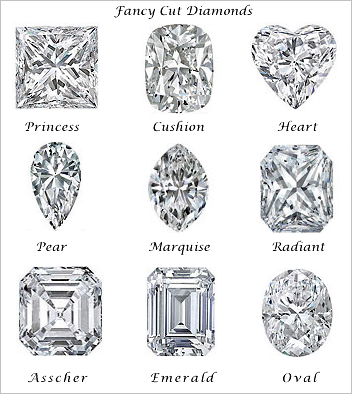
What Makes a Diamond Cut Unique?
When people talk about a diamond cut, they are often referring to both the diamond's shape and the way its facets are arranged. Shape describes the visible outline, while faceting determines how the stone interacts with light.
For example, emerald and Asscher diamonds use step-style faceting that produces broader, more organized flashes. Radiant, cushion and princess diamonds use faceting patterns designed to create lively sparkle. Pear and marquise shapes combine elongated outlines with pointed ends, while heart shapes create an instantly recognizable romantic silhouette.
This distinction matters because two diamonds can have similar outlines but very different appearances depending on their proportions, facet arrangement and individual optical performance.
9 Unique Lab Grown Diamond Cuts to Know in 2026
1. Asscher Cut
The Asscher cut is a square-shaped step cut known for its deep geometric appearance and concentric facet pattern. Its cropped corners give it a distinctive outline that sits between a traditional square and octagonal shape.
Rather than producing the rapid sparkle associated with many brilliant cuts, an Asscher diamond tends to create broad, organized flashes of light. Its symmetrical architecture can give a ring a vintage-inspired yet highly structured appearance.
Because step cuts can reveal inclusions and color more readily than heavily faceted brilliant cuts, it is useful to inspect an individual Asscher diamond carefully rather than choosing based only on carat weight.
2. Radiant Cut
The radiant cut combines a rectangular or square outline with brilliant-style faceting. Its cropped corners help create a softer silhouette while maintaining strong visual sparkle.
A rectangular radiant can create an elongated appearance, while a more square radiant can feel compact and modern. This flexibility makes the shape suitable for a wide variety of engagement ring settings.
If you want the geometry of a rectangular diamond without giving up a lively faceted appearance, a radiant cut can be an interesting alternative to both traditional round and step-cut shapes.
3. Cushion Cut
The cushion cut has a square or rectangular outline with softened corners that resemble the shape of a cushion. It can combine a romantic, softer silhouette with noticeable brilliance.
Cushion diamonds can vary considerably in appearance. Some have a more square outline, while others are noticeably elongated. Their facet arrangements can also produce different patterns of sparkle.
For shoppers who want something softer than an emerald or Asscher cut but less conventional than a round diamond, cushion can provide a balanced middle ground.

4. Emerald Cut
The emerald cut is a rectangular step cut recognized for its long, clean lines and broad flashes of light. Its large table and relatively open facet arrangement create a mirror-like visual effect.
Emerald cut diamonds are often associated with understated sophistication because their appearance is less about rapid sparkle and more about clarity, symmetry and elegant flashes.
This makes an emerald cut particularly interesting for someone who wants a refined diamond with a strong architectural appearance rather than maximum scintillation.
5. Pear Shape
The pear shape combines a rounded end with a pointed tip, creating a silhouette that resembles a teardrop. Its asymmetrical outline immediately makes it different from traditional round and square shapes.
A pear diamond can be worn with the point facing toward or away from the hand depending on the setting and personal preference. The elongated outline can also create an elegant visual line across the finger.
When choosing a pear, symmetry is particularly important. The two sides should appear balanced, and the point should look well defined without appearing overly narrow or fragile.
6. Marquise Cut
The marquise cut is an elongated diamond with pointed ends and curved sides. Its distinctive silhouette can make the diamond appear longer across the finger while creating significant visual coverage.
The shape has a naturally dramatic appearance and can work particularly well in solitaire, halo and east-west settings. An east-west orientation places the diamond horizontally across the finger for an even more unconventional look.
When comparing marquise diamonds, look closely at symmetry, point alignment and the overall length-to-width ratio. These details strongly affect the finished appearance.
7. Heart Shape
The heart shape is one of the most recognizable diamond silhouettes. It features two rounded lobes and a pointed bottom, creating an unmistakably romantic outline.
Because the outline is so distinctive, a heart shaped diamond can become the central visual feature of a ring without requiring an elaborate setting. It can also be used in pendants and other fine jewelry.
Symmetry is especially important with heart shapes. The two lobes should look balanced, while the central cleft and bottom point should remain clearly defined.
8. Princess Cut
The princess cut is a square or rectangular brilliant-style shape with sharp corners. Its clean geometric outline and strong faceting give it a distinctly modern appearance.
Compared with a round diamond, the princess cut creates a very different visual footprint. Its straight edges can also work naturally with channel, three-stone and geometric ring designs.
Because the corners are pointed, the setting should provide appropriate protection. A well-designed setting can help preserve the clean square appearance while supporting everyday wear.
9. Baguette Cut
Baguette diamonds are long, narrow step-cut diamonds with a distinctly linear appearance. They are frequently used as accent stones, but they can also become a striking feature in modern jewelry designs.
Unlike brilliant-style shapes that emphasize sparkle, baguette diamonds are valued for their clean geometry and broad flashes. Their narrow silhouette makes them especially useful for geometric arrangements and contemporary ring designs.
Baguettes can be particularly effective when paired with a central diamond or used in an east-west arrangement. They offer a different visual language from the traditional center-stone approach.

9 Unique Lab Grown Diamond Cuts Compared
| Cut | Shape | Light Effect | Overall Character |
|---|---|---|---|
| Asscher | Square with cropped corners | Broad step-cut flashes | Geometric and vintage-inspired |
| Radiant | Square or rectangular | Lively brilliance | Modern and versatile |
| Cushion | Square or rectangular with soft corners | Brilliant sparkle | Soft and romantic |
| Emerald | Rectangular | Broad step-cut flashes | Clean and sophisticated |
| Pear | Teardrop | Brilliant sparkle | Elegant and distinctive |
| Marquise | Long with pointed ends | Brilliant sparkle | Dramatic and elongated |
| Heart | Heart-shaped | Brilliant sparkle | Romantic and recognizable |
| Princess | Square or rectangular | Brilliant sparkle | Modern and geometric |
| Baguette | Long and narrow | Broad step-cut flashes | Linear and architectural |
Brilliant Cut vs. Step Cut: What Is the Difference?
One of the most useful ways to compare diamond shapes is to look at their faceting style. Brilliant-style diamonds are designed with facet arrangements that can create lively sparkle and flashes of light. Round, radiant, cushion, pear, marquise, heart and many princess diamonds use variations of brilliant faceting.
Step cuts use long, parallel facets that create broader and more organized flashes. Emerald, Asscher and baguette diamonds are common examples. Their appearance can be more transparent and architectural, making clarity and overall symmetry particularly important.
Neither style is automatically better. They simply create different visual effects. Understanding this difference can make it easier to narrow down the type of diamond you actually want.
How Diamond Shape Changes the Look of a Ring
The diamond shape influences the entire visual language of an engagement ring. A marquise or pear can make the ring appear more elongated, while an Asscher or princess can emphasize straight lines and symmetry. A cushion can soften the design, while an emerald cut can make it feel more architectural.
The setting also changes the final effect. A solitaire allows the outline of the center stone to dominate. A halo can increase the apparent visual footprint. Side stones can emphasize an elongated shape, while an east-west setting can turn a familiar shape into something much more contemporary.
How to Choose the Right Lab Grown Diamond Cut
1. Start With the Shape You Naturally Prefer
Before comparing technical details, consider which silhouettes immediately appeal to you. If you like clean geometry, explore Asscher, emerald, princess or baguette styles. If you prefer softer outlines, consider cushion or pear. For something highly recognizable, heart and marquise can create a stronger visual identity.
2. Decide How Much Sparkle You Want
If sparkle is your main priority, brilliant-style shapes may be worth exploring first. If you prefer broad flashes and a more organized visual effect, step cuts may suit your taste better.
3. Compare Length-to-Width Ratios
The length-to-width ratio can significantly change the appearance of elongated diamonds. A shorter ratio can create a fuller outline, while a higher ratio can create a longer, slimmer appearance. Compare several diamonds rather than relying on one standard ratio.
4. Consider Finger Coverage
Some elongated shapes can create substantial visual coverage across the finger. Marquise, pear, radiant and elongated cushion shapes can look particularly prominent depending on their dimensions and setting.
5. Think About the Ring Setting
A diamond should be considered together with the setting. Sharp corners may benefit from protective settings, while elongated shapes can work beautifully with both vertical and horizontal orientations. If you already have a setting in mind, use it to narrow down compatible shapes.

What to Look for Beyond Diamond Shape
Cut Quality
Shape and cut quality are not exactly the same thing. Two diamonds with the same outline can perform differently depending on their proportions, symmetry and facet arrangement. Look at the actual stone rather than choosing only by its shape name.
Clarity
The clarity grade that makes sense can vary by shape. Step cuts such as emerald and Asscher can make internal characteristics easier to notice because of their larger, more open facets. Brilliant-style shapes can sometimes mask minor characteristics more effectively.
Color
Some shapes can show color differently because of their proportions and facet arrangement. When comparing diamonds, look at the actual stone and consider whether you prefer a visibly bright appearance or a warmer character.
Carat Weight
Carat weight is a measurement of weight, not visual size alone. Two diamonds with identical carat weights can have different face-up dimensions because their shapes and proportions differ. Always compare measurements along with carat weight.
Unique Lab Grown Diamond Cuts by Style
| If You Want | Consider | Why |
|---|---|---|
| Strong geometry | Asscher | Symmetrical step-cut architecture |
| Lots of sparkle | Radiant | Rectangular outline with brilliant-style faceting |
| Soft romantic shape | Cushion | Rounded corners and a softer silhouette |
| Clean sophistication | Emerald | Long step-cut facets and broad flashes |
| Elegant elongation | Pear | Distinctive teardrop outline |
| Dramatic length | Marquise | Long pointed silhouette |
| Romantic symbolism | Heart | Immediately recognizable outline |
| Modern square look | Princess | Sharp geometric outline |
| Architectural accents | Baguette | Long narrow step-cut design |
Can Lab Grown Diamonds Be Custom Cut?
Lab grown diamonds can be produced in many established shapes and sizes, and custom jewelry projects may also involve discussing a particular diamond shape or design concept with a jeweler. If you have a specific silhouette, unusual proportion or jewelry idea in mind, it is worth asking whether that specification can be sourced or produced for your project.
For shoppers interested in a less common design, sharing the desired shape, approximate size, setting style and overall jewelry concept can make the sourcing process more precise.
Lab Grown Diamond Buying Checklist
- Choose the diamond shape before narrowing down individual stones.
- Compare actual measurements, not just carat weight.
- Check the length-to-width ratio for elongated shapes.
- Look at symmetry carefully, especially for pear, marquise and heart shapes.
- Consider whether you prefer brilliant-style sparkle or step-cut flashes.
- Review clarity carefully for emerald and Asscher diamonds.
- Compare color in the actual diamond whenever possible.
- Make sure the setting protects vulnerable corners or points.
- Consider how the diamond shape works with your finger and preferred ring style.
- Ask for certification and complete diamond specifications before purchasing.
- If you want an unusual cut, ask about custom sourcing or custom-cut possibilities.
Common Mistakes When Choosing a Unique Diamond Cut
Mistake 1: Choosing Only by Shape Name
A shape name gives you a starting point, but it does not tell you exactly how a particular diamond will look. Proportions, symmetry, faceting and dimensions can create significant differences between stones of the same shape.
Mistake 2: Ignoring the Setting
A diamond that looks perfect on its own may create a very different result once placed in a ring. Consider the setting before making a final decision.
Mistake 3: Comparing Only Carat Weight
Carat weight should not be treated as a direct measurement of visible size. Check length, width and depth alongside carat weight to understand how much diamond will actually appear from the top.
Mistake 4: Forgetting About Symmetry
Symmetry is particularly important for shapes with distinctive outlines. Uneven sides or misaligned points can affect the overall appearance of pear, marquise and heart diamonds.
Mistake 5: Assuming One Shape Has to Be Better
Different cuts are designed to create different visual effects. Instead of looking for one universally superior shape, focus on the appearance and design characteristics that match your preferences.
How to Style Unique Lab Grown Diamond Cuts
Unique diamond shapes can be styled in both traditional and contemporary settings. A pear or marquise can work beautifully as a solitaire, while a radiant or cushion can create a strong center stone in a halo setting. Emerald and Asscher cuts can pair naturally with clean metalwork and geometric bands.
For a more unconventional look, consider an east-west orientation. Turning an elongated diamond horizontally can change the proportions of the entire ring while maintaining the recognizable character of the center stone.
Side stones can also change the visual balance. Baguettes can reinforce a geometric aesthetic, while smaller round stones can add contrast to an elongated center diamond.
Are Unique Lab Grown Diamond Cuts Good for Engagement Rings?
Yes. A non-round diamond can be an excellent choice for an engagement ring when its shape, proportions and setting match the wearer's preferences. The important consideration is not whether a shape is traditional, but whether the individual diamond and setting create the appearance and durability characteristics you want.
For everyday wear, pay particular attention to the protection of pointed corners and edges. The setting should complement the diamond while helping protect vulnerable areas during normal use.
Questions to Ask Before You Buy
- What is the exact diamond shape and cutting style?
- What are the diamond's length, width and depth measurements?
- What is the length-to-width ratio?
- How does the diamond perform visually in different lighting?
- Is the diamond symmetrical?
- What clarity characteristics are visible to the eye?
- What color grade does the diamond have?
- Does the setting protect the diamond's corners or points?
- Is the diamond certified?
- Can a specific shape, size or proportion be custom sourced?
- What are the return, exchange and warranty policies?

Frequently Asked Questions
What is the most unique lab grown diamond shape?
There is no single most unique shape. Heart, marquise, pear, Asscher and baguette diamonds can all create distinctive appearances for different reasons, from unusual outlines to strong geometric designs.
Are lab grown diamonds available in unusual shapes?
Yes. Lab grown diamonds are available in many established shapes, including Asscher, radiant, cushion, emerald, pear, marquise, heart, princess and baguette styles.
Which lab grown diamond cuts sparkle the most?
Many brilliant-style shapes are designed to produce lively sparkle. Radiant, cushion, pear, marquise, heart and princess diamonds can all offer strong brilliance, although the performance of an individual diamond depends on its proportions and faceting.
Do emerald cut diamonds sparkle?
Emerald cut diamonds can display beautiful flashes of light, but their step-cut faceting generally creates broader and more organized reflections rather than the rapid scintillation associated with many brilliant cuts.
Is an Asscher cut the same as an emerald cut?
Both are step-cut styles, but an Asscher is typically square with cropped corners, while an emerald cut is generally rectangular with a longer outline.
Which diamond shape makes the finger look longer?
Elongated shapes such as marquise, pear and elongated radiant or cushion diamonds can create a longer visual line across the finger. The actual effect depends on the diamond's proportions and orientation.
Are pear diamonds difficult to choose?
Pear diamonds require careful attention to symmetry, proportions and the alignment of the point and rounded end. Comparing several individual diamonds can help you find a balanced outline.
Are heart shaped diamonds good for engagement rings?
Heart shaped diamonds can work well for engagement rings, particularly when the design is intended to emphasize a romantic and recognizable silhouette. Symmetry and a clearly defined cleft are important when comparing stones.
Can unique diamond cuts be used in custom jewelry?
Yes. Unique shapes can be incorporated into custom engagement rings, pendants and other fine jewelry. If you have a particular cut or proportion in mind, discuss the specification with the jeweler before finalizing the design.
What should I check before buying a lab grown diamond?
Check the diamond's shape, measurements, proportions, symmetry, color, clarity, certification and overall appearance. The setting should also be considered, particularly for diamonds with pointed corners.
Can I choose a custom cut lab grown diamond?
Custom-cut or specially sourced options may be possible depending on the required shape, size and specifications. If you have a particular cut in mind, ask the jeweler about available sourcing and customization options.
Final Thoughts
Round and oval diamonds may be familiar choices, but they are far from the only ways to create a beautiful diamond ring. Asscher, radiant, cushion, emerald, pear, marquise, heart, princess and baguette cuts each offer a different combination of shape, faceting, sparkle and personality.
When choosing a lab grown diamond in 2026, start with the visual effect you want rather than focusing only on carat weight. Consider the outline, proportions, light performance, setting and how the finished ring will look on the hand.
If you already have a particular cut, size or jewelry concept in mind, exploring custom-cut or specially sourced lab grown diamond options can also help you create a design that feels more personal and distinctive.
|
Explore a Lab Grown Diamond Beyond the Ordinary Discover distinctive lab grown diamond shapes and explore custom jewelry possibilities designed around your preferred cut, size and style. |