
Cart
0

|
AUVERA CRAFT Handcrafted Fine Jewelry · Engagement Ring Guide · 2026 |
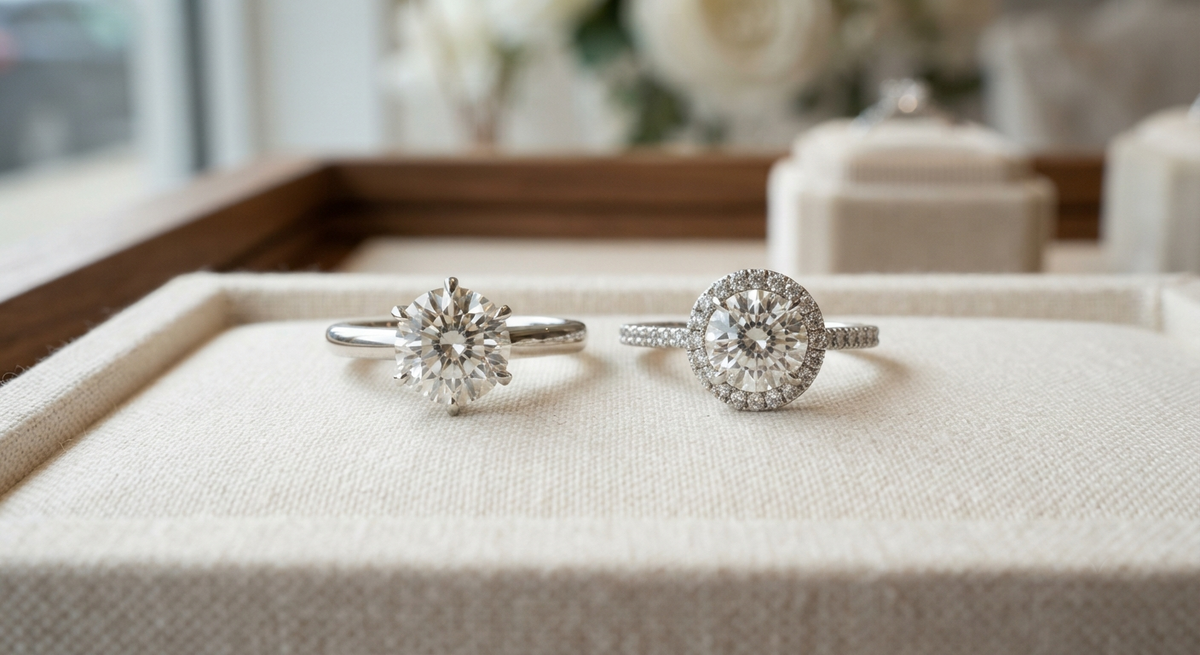
Can You Wear an Engagement Ring Every Day? Proven 2026 Tips
A Practical Guide to Everyday Wear, Protection, Comfort, and Ring Care
Quick Summary
Yes, you can wear most diamond engagement rings every day. In fact, an engagement ring is normally chosen as a piece of jewelry that can stay with you through ordinary life, not just special occasions. The important part is understanding that daily wear does not mean wearing the ring through every activity.
Your ring has to deal with hand washing, typing, cooking, clothing, doors, bags, skincare products, and the occasional knock. A secure setting and sensible habits make a much bigger difference than simply choosing a large or expensive diamond. GIA also notes that engagement rings are intended for long-term wear but are not indestructible; prongs can loosen and everyday activities can put stress on the setting. GIA's engagement-ring care guidance is a useful reference for those checks.
Key Takeaways
• Yes, a well-made diamond engagement ring can usually be worn every day.
• Remove it for activities where impact, chemicals, pressure, or loss are realistic risks.
• Low-profile, secure settings are generally easier to live with than tall, delicate designs.
• Check prongs and the center stone regularly for movement, damage, or snagging.
• Keep the ring clean because lotion, oils, soap, and dirt can reduce visible sparkle.
• A ring that feels loose, catches on clothing, or has a damaged prong should be inspected instead of simply worn through it.
Quick Answer:
Yes. You can wear an engagement ring every day if the diamond, setting, and metal are appropriate for your lifestyle and you take the ring off when the situation calls for it. Diamond is highly scratch-resistant, but it can still chip from a hard impact, and the metal setting can bend or wear over time. For everyday wear, pay attention to how securely the stone is held, how high it sits above your finger, and whether the design regularly catches on clothes or objects. GIA specifically recommends removing an engagement ring for activities such as exercise and gardening and being careful around tasks that can expose the ring to knocks or loss.
Who Is This Guide For?
This guide is for someone who has recently received an engagement ring, is shopping for one, or simply wants to know whether their current ring can realistically stay on their hand most of the day. It is especially useful for people comparing solitaire, halo, pavé, bezel, and other diamond settings for everyday life.
It is also useful if your routine includes office work, commuting, cooking, childcare, travel, workouts, or frequent hand washing. The goal is not to tell you that one ring style is perfect for everyone. Instead, it helps you match the ring to what your hands actually do.
Introduction
For the care and durability recommendations in this guide, we checked established gemology and jewelry-care guidance from GIA's Diamond Care and Cleaning Guide and the American Gem Society's jewelry-cleaning guidance. These references are used here to support practical care advice rather than replace a jeweler's inspection of an individual ring.
There is something slightly strange about buying an engagement ring and then being afraid to wear it. You spend weeks choosing the stone, the setting, and the metal, and suddenly the beautiful ring feels too precious for normal life.
The good news is that you do not have to keep it locked away. A well-designed diamond engagement ring is made to be worn, and many people wear theirs through workdays, dinners, errands, travel, and ordinary mornings. The trick is knowing the difference between daily wear and wearing it through everything.
A ring can be perfectly suitable for everyday use and still need to come off before a workout, gardening session, heavy cleaning, or a situation where losing it would be easy. Once you think about the ring this way, everyday care becomes much less complicated.
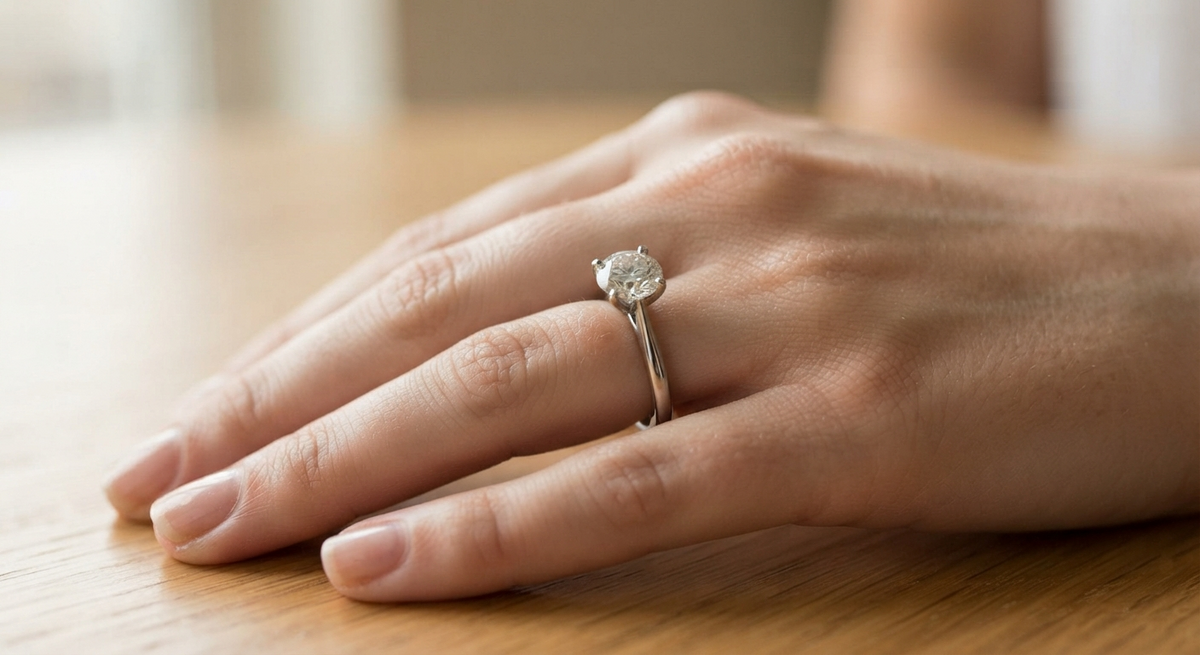
✦ EVERYDAY WEAR, WITHOUT THE WORRY
What Makes an Engagement Ring Good for Everyday Wear?
The most practical everyday ring is not necessarily the simplest-looking ring. What matters is how the whole design behaves on your hand. A secure stone, sensible profile, comfortable band, and durable construction can make a major difference to how easy the ring is to live with.
1. A Secure Setting
The setting is the part of the ring that physically holds the diamond. Prongs, bezels, channels, and other designs all have different ways of protecting and securing a stone. GIA notes that prong and pavé settings can benefit from periodic inspection because the small metal components need to remain secure.
2. A Comfortable Profile
A tall center stone can look spectacular, but it also sits farther above the finger. That can make it more likely to catch on sleeves, hair, bags, gloves, and other everyday objects. If you are constantly snagging your ring, the problem is not necessarily the diamond; the profile may simply not suit your routine.
3. A Band You Can Actually Live In
The shank should feel comfortable beside your neighboring fingers and should not have sharp edges that irritate your skin. A ring can look beautiful in a product photograph and still feel awkward after eight hours at a keyboard. Comfort matters because an engagement ring is something you may wear for years.
4. A Design That Matches Your Routine
Someone who works at a desk has different needs from someone who works with tools, exercises daily, gardens, cooks professionally, or wears gloves at work. The best everyday ring is the one that works with your actual life instead of forcing you to constantly protect it.
Can You Wear an Engagement Ring While Doing Everyday Tasks?
This is where most of the confusion comes from. Wearing a ring every day does not mean keeping it on twenty-four hours a day. Some activities create unnecessary risk even when the ring itself is designed for daily wear.
Working at a Desk
Usually, yes. Typing, writing, meetings, commuting, and normal office work are generally low-impact activities. You may still notice the ring picking up hand lotion or skin oils, so regular cleaning helps keep the diamond bright.
Cooking and Washing Dishes
This is one of those situations where taking the ring off is sensible. Food residue, oils, soap, and cleaning products can collect around the setting. There is also the very practical risk of dropping the ring down a drain. GIA specifically advises caution with dishwashing and recommends removing an engagement ring for risky activities.
Showering
An occasional shower is unlikely to destroy a diamond, but keeping an engagement ring on in the shower is unnecessary. Soap and body products can build up around the stone, and a slippery ring is easier to lose than you might expect.
Exercise and the Gym
Take it off. Weight training, machines, dumbbells, sports, and activities involving gripping or impact can put pressure on the ring. The concern is not only scratching; a hard knock can affect the stone or deform the setting. GIA lists exercise among the activities where removing an engagement ring is a smart protective step.
Gardening and Manual Work
Gardening, DIY, moving heavy objects, and similar jobs expose the ring to dirt, pressure, and accidental impacts. A small amount of prevention is much easier than repairing a bent setting or replacing a lost stone.
Which Engagement Ring Settings Are Best for Daily Wear?
There is no single setting that wins for every wearer. However, some designs make everyday life easier because they reduce snagging or provide additional protection around the stone.
Solitaire
A classic solitaire is simple, versatile, and relatively easy to maintain. A well-made solitaire can be an excellent everyday choice, especially when the center stone is securely held and the setting is not unnecessarily high.
Bezel
A bezel setting surrounds the edge of the diamond with metal. That can make it attractive for active wearers who want fewer exposed edges and less chance of catching a prong. The visual character is different from a traditional solitaire, but the practical protection can be appealing.
Six-Prong
Six-prong settings use additional points of contact around the stone. GIA notes that six prongs can offer more protection than four in some circumstances and may provide additional security if one prong breaks.
Pavé and Halo
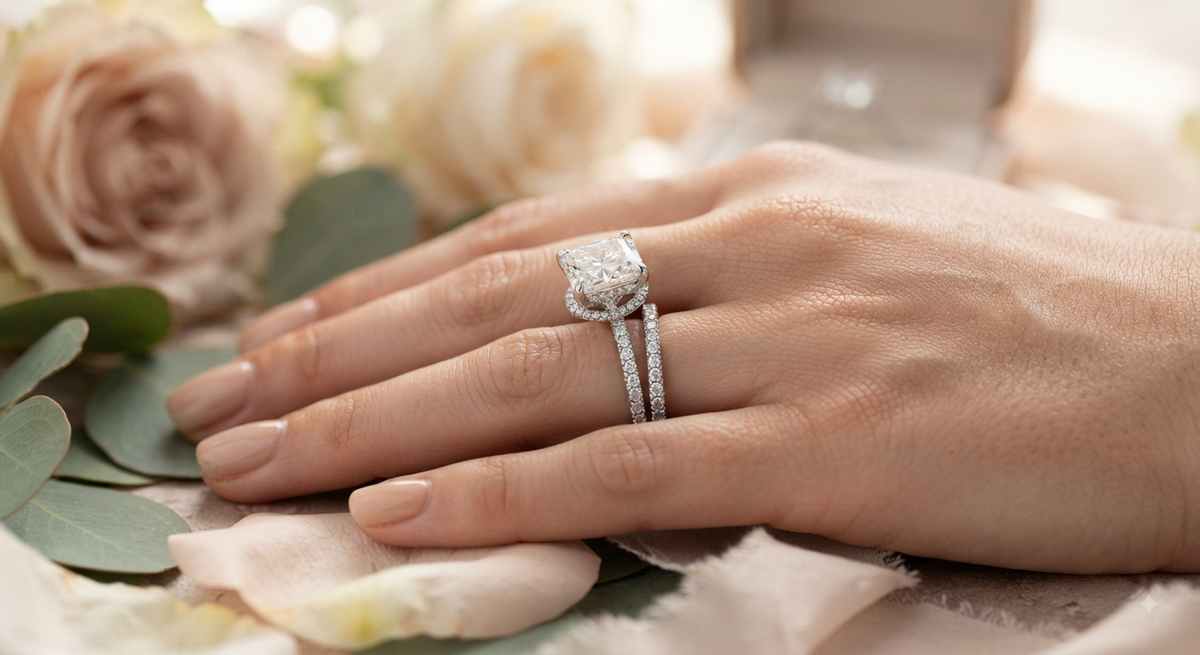
Pavé and halo rings can look exceptionally bright, but they contain more small stones and small setting components. That means there are more areas where dirt can collect and more details that deserve regular inspection. They can absolutely be worn daily; they simply reward a little more attention.
How Often Should You Check an Engagement Ring?
Do not wait until a diamond falls out before checking the setting. Make a quick visual inspection part of your normal jewelry routine. Look at the prongs, the center stone, and the band under good light.
If the diamond moves when you gently touch it, if a prong looks thinner or bent, or if the ring suddenly starts catching on fabric, stop wearing it until a jeweler can inspect it. GIA recommends regular prong check-ups and notes that a moving stone or visible gap can be a warning sign.
For rings worn every day, a professional inspection around every six months is a useful benchmark, particularly for exposed prong settings. Your jeweler or insurance provider may recommend a different schedule based on the ring and your coverage.
Does Daily Wear Make a Diamond Look Dull?
It can. The diamond itself has not suddenly become less brilliant, but a film of lotion, soap, skin oil, dust, or cooking residue can block the clean interaction of light with the stone's facets. GIA explains that dirt can dull a diamond's appearance and recommends gentle cleaning with warm water, mild soap, and a soft toothbrush.
For routine care, a gentle clean is usually enough. Avoid toothpaste, abrasive household cleaners, bleach, and aggressive scrubbing. The American Gem Society also recommends warm water, mild dish soap, and a soft-bristled brush for many pieces of jewelry and warns against harsh chemicals and abrasives.
Simple Habits That Protect an Everyday Engagement Ring
Take it off before risky activities. Create a few automatic moments when the ring comes off: gym time, gardening, heavy cleaning, DIY work, and situations where the ring could snag or disappear.
Hold the band when handling the ring. Try not to make a habit of touching the diamond itself. Finger oils transfer easily to the stone and can reduce its sparkle.
Give it a safe home. Keep a small ring dish in the places where you normally remove it. A ring that always has a designated spot is much less likely to be left beside a sink or wrapped in a tissue and forgotten.
Store it separately. When the ring is not being worn, place it somewhere soft and separate from other diamond jewelry. GIA notes that diamond-set jewelry can scratch or damage other pieces when stored together.
Clean it gently. A simple cleaning routine can keep the ring looking fresh without exposing it to unnecessarily aggressive products.
What About Different Metals?
Platinum: Platinum is widely used for engagement rings and is well suited to long-term wear. Like any setting, it can still show scratches and needs the same attention to stone security.
14K gold: A popular practical choice for everyday jewelry, 14K gold combines gold with other metals to create an alloy that is commonly used in rings designed for regular wear.
18K gold: 18K gold contains a higher proportion of pure gold and offers a richer gold content. It can be an excellent choice for an engagement ring, but the exact alloy and construction still matter when considering daily wear.
If you are comparing Auvera Craft engagement rings, think about the setting, metal, profile, and how you use your hands rather than choosing only by appearance.
When Should You Stop Wearing Your Engagement Ring?
Take the ring off and have it checked if something suddenly feels different. A center stone that moves, a broken or badly worn prong, a bent band, a visible chip, or a new gap between the stone and its setting is not something to monitor casually while continuing normal wear.
The same applies after a hard impact. Even though diamond is the hardest natural mineral on the Mohs scale, hardness is not the same thing as toughness. A sufficiently hard blow in a vulnerable direction can chip or fracture a diamond.
A Realistic Everyday-Wear Routine
If you want a simple routine that does not turn jewelry care into a project, think of your day in three parts.
During normal life: Wear the ring during low-impact activities such as working, commuting, shopping, and going out.
Before risky activities: Put it somewhere safe before exercising, gardening, heavy cleaning, manual work, or anything involving repeated impact or pressure.
At the end of the day: Give it a quick look. If the stone is dirty, clean it gently. If the setting looks different, do not ignore it.
That routine is simple enough to follow and practical enough to become a habit.
Frequently Asked Questions
Can you wear an engagement ring every day?
Yes. Most diamond engagement rings are intended for long-term wear. The key is to remove the ring for activities that create unnecessary risk and to inspect the setting regularly.
Should I take my engagement ring off at night?
There is no universal rule that says you must remove it every night. However, taking it off before sleeping can reduce accidental snagging and gives you a regular opportunity to inspect and clean the ring. If you sleep in it, make sure the setting is secure and comfortable.
Can I shower with my engagement ring on?
It is better to remove it. Soap, shampoo, conditioner, and body products can build up around the setting, and a wet ring is easier to drop or lose.
Can I wear my engagement ring while exercising?
It is safer to remove it. Exercise can expose the ring to pressure, impact, sweat, equipment, and accidental knocks. GIA specifically recommends taking engagement rings off for exercise and similar risky activities.
What is the best engagement ring setting for everyday wear?
There is no single best setting for everyone, but secure, well-finished designs with sensible profiles are generally easier to wear every day. Bezel, low-profile solitaire, and well-constructed prong settings can all work well depending on your routine.
How often should I clean my engagement ring?
Clean it whenever visible buildup appears. For regular wear, a gentle cleaning routine every week or two can be a practical starting point, while GIA describes gentle cleaning once or twice a week as one approach for keeping a diamond sparkling.
How often should an engagement ring be professionally inspected?
A six-month check can be a useful benchmark for prong settings, especially when the ring is worn heavily. GIA recommends regular check-ups and specifically discusses six-month inspections as a practical interval.
Can a diamond engagement ring break?
Yes. Diamond is extremely hard, but hardness mainly describes resistance to scratching. A sufficiently strong impact in a vulnerable direction can still chip or fracture a diamond.
Final Thoughts
So, can you wear an engagement ring every day? Absolutely. The better question is whether you are wearing it intelligently.
Your ring does not need to live in a jewelry box just because it is valuable. Wear it to work. Wear it to dinner. Wear it while you run errands and go about the parts of life that make the ring meaningful in the first place. Just give it a break when the activity creates unnecessary risk.
Pay attention to the setting, keep the diamond clean, remove the ring before high-risk activities, and have it inspected when something does not feel right. Those small habits are far more useful than worrying about every ordinary touch or movement.
A beautiful engagement ring is meant to be part of your life. With the right design and a little sensible care, it can stay on your hand for years while still looking like the special piece it was meant to be.
The goal is not to protect your engagement ring from life. It is to choose when it belongs in your life — and when it is smarter to put it somewhere safe.
|
Find an Engagement Ring Made for Real Life Explore Auvera Craft's fine diamond jewelry and choose a design that fits your style, comfort, and everyday routine. |
© 2026 Auvera Craft · Handcrafted Fine Jewelry · USA

